Navigate Your Marketing With Confidence
Find Services Faster
Use the streamlined navigation to explore campaign types, service options, delivery coverage, examples, and answers to common questions. Start with the service most relevant to your goal, then compare available formats before requesting a personalized quote for your target neighborhood.
Recognize Trusted Branding
Consistent logo placement, colors, and messaging make Take 1 Marketing easy to recognize throughout the website. Look for clear references to design, printing, distribution, and tracking so you can quickly understand which campaign services are available for your real estate marketing needs.
Request Pricing Quickly
Select the Get a Quote button when you know your preferred format, quantity, and delivery area. If details are undecided, submit your campaign objective and approximate neighborhood instead. Providing a deadline, property address, and desired service level helps the team prepare a more relevant response.
Reach More Homeowners Door to Door
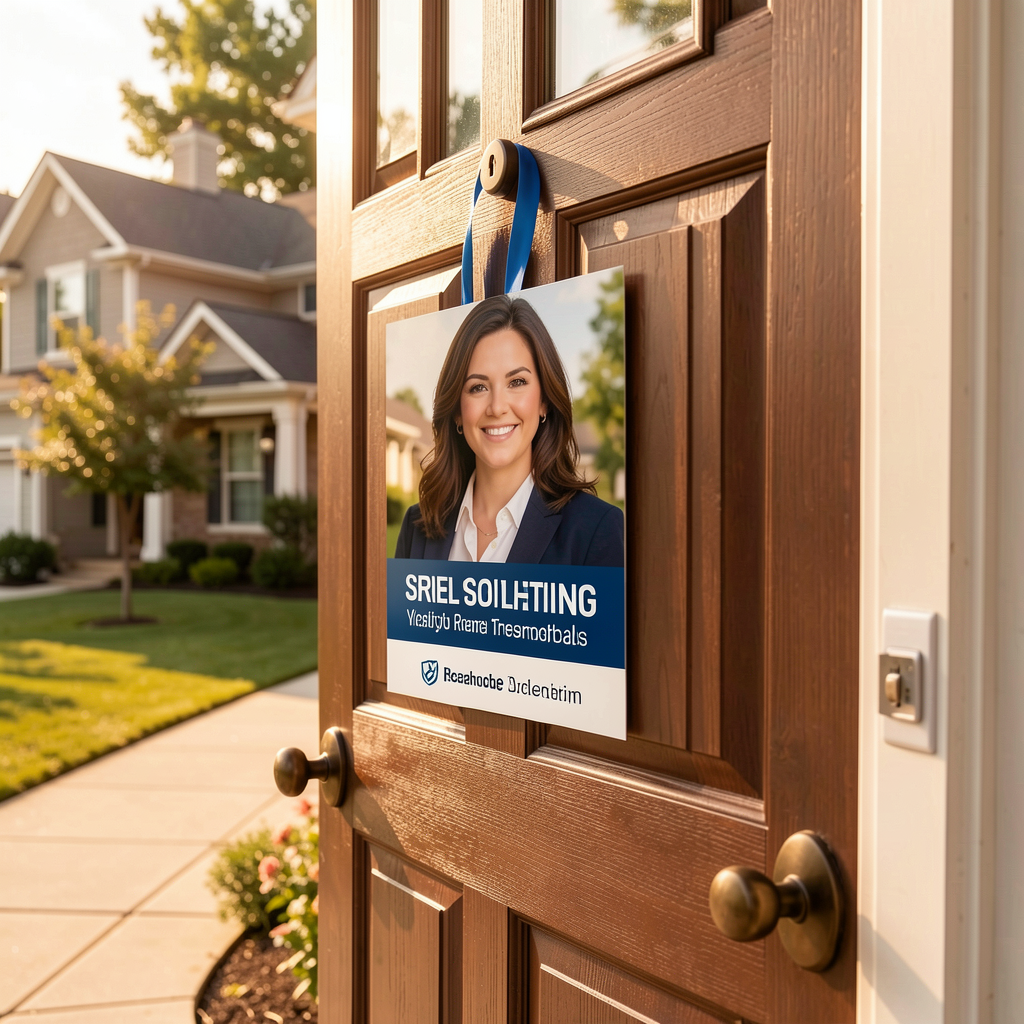
Stay Visible Locally
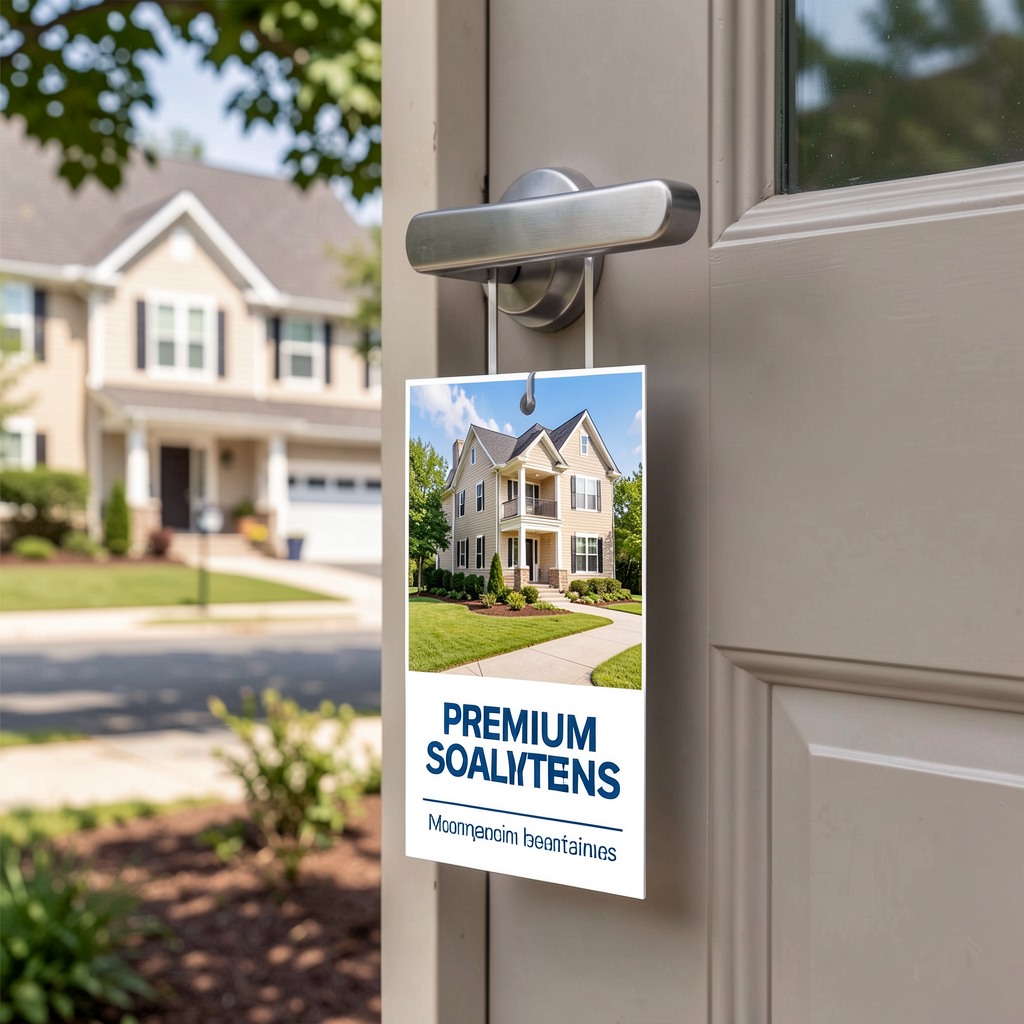
Door hangers place your name and message directly at homes within selected neighborhoods. Use a clear headshot, recognizable branding, and one primary offer to improve recall. Avoid overcrowding the design with multiple competing messages that make the homeowner unsure what to do next.
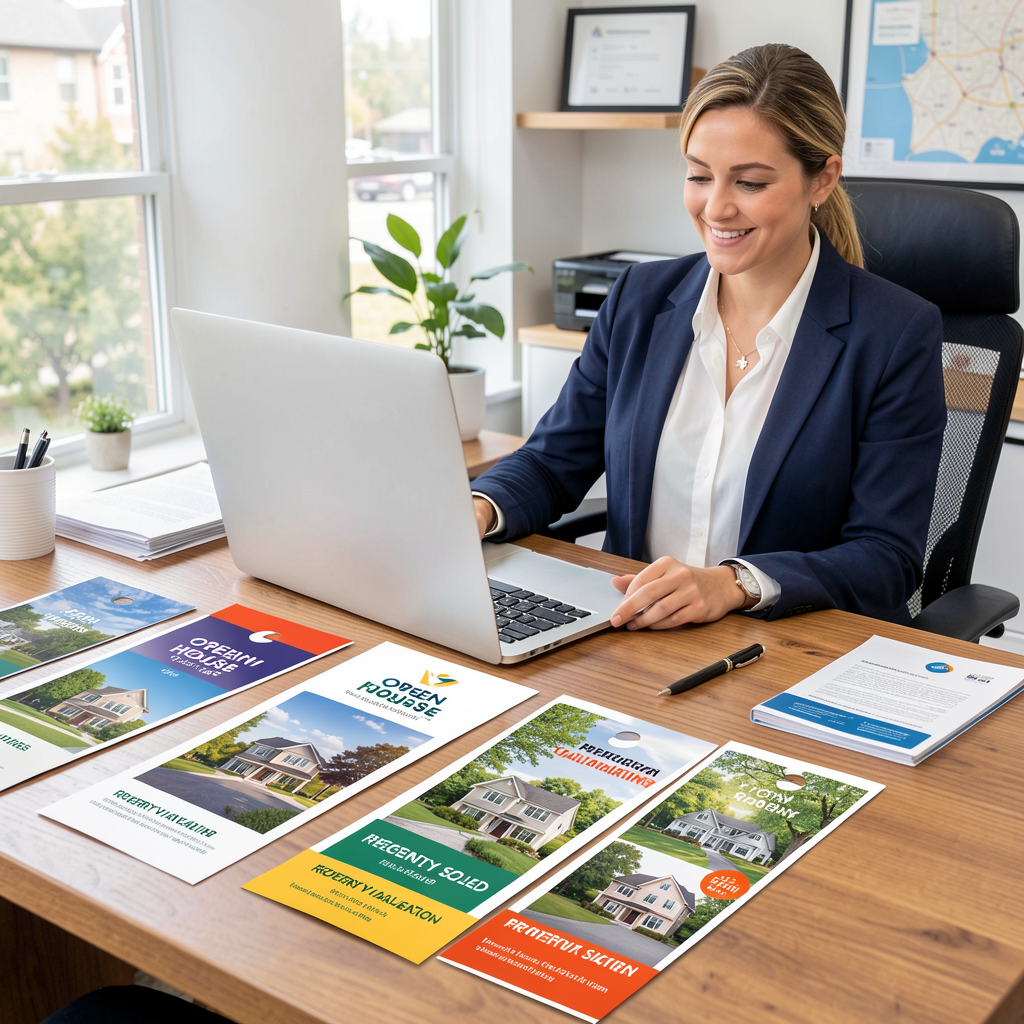
Lead With Relevance
Match every campaign to a timely homeowner need, such as an upcoming open house, recent neighborhood sale, or complimentary home valuation. Local details make the message feel useful rather than generic. Include one compelling reason to respond and make the next step simple.
Create Clear Action
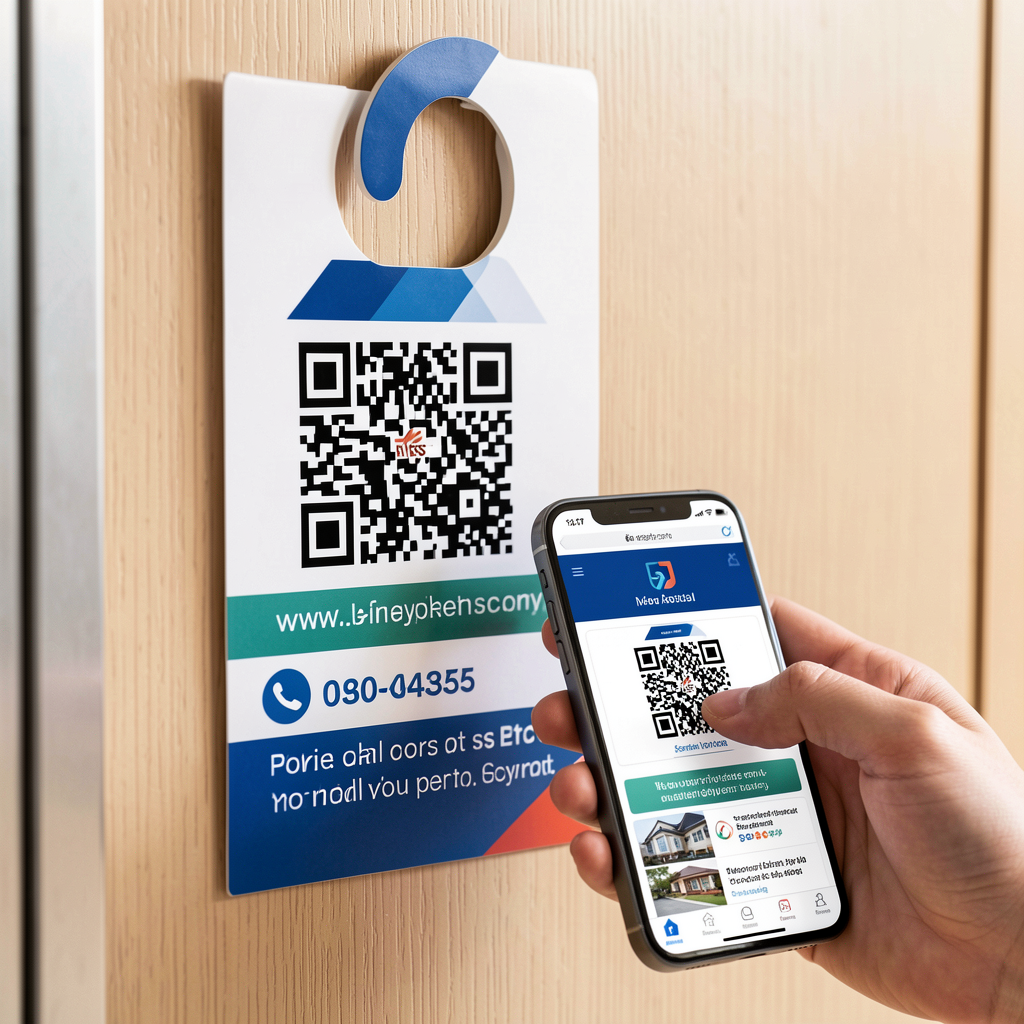
Build each door hanger around a focused call to action: scan a QR code, call for a valuation, visit an open house, or request a market update. Confirm that contact information is readable at a glance and test every QR code before printing.
Complete Campaign Support From Start to Finish
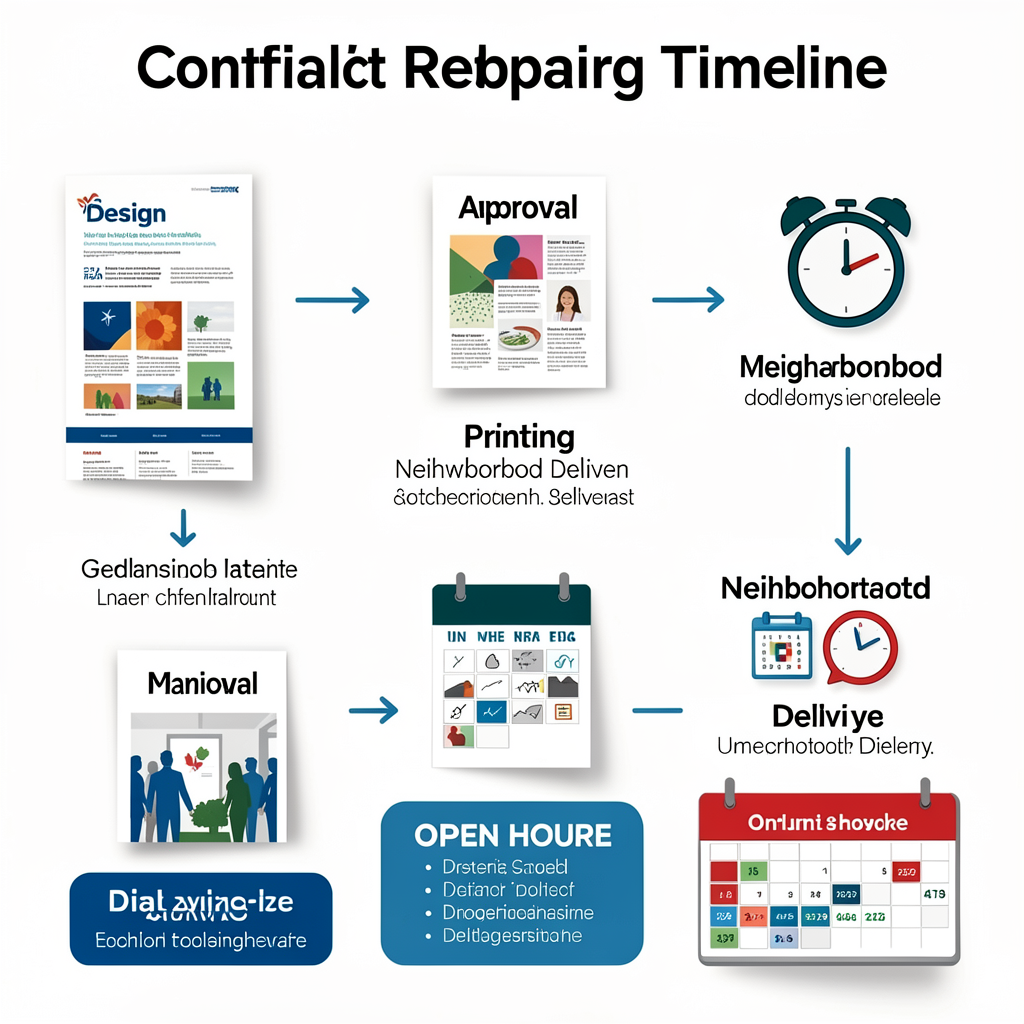
Complimentary graphic design helps turn your listing details, branding, and campaign goal into a polished marketing piece. Supply high-resolution photos, current contact information, logo files, and required disclosures early. Review names, dates, prices, URLs, and phone numbers carefully before granting approval.
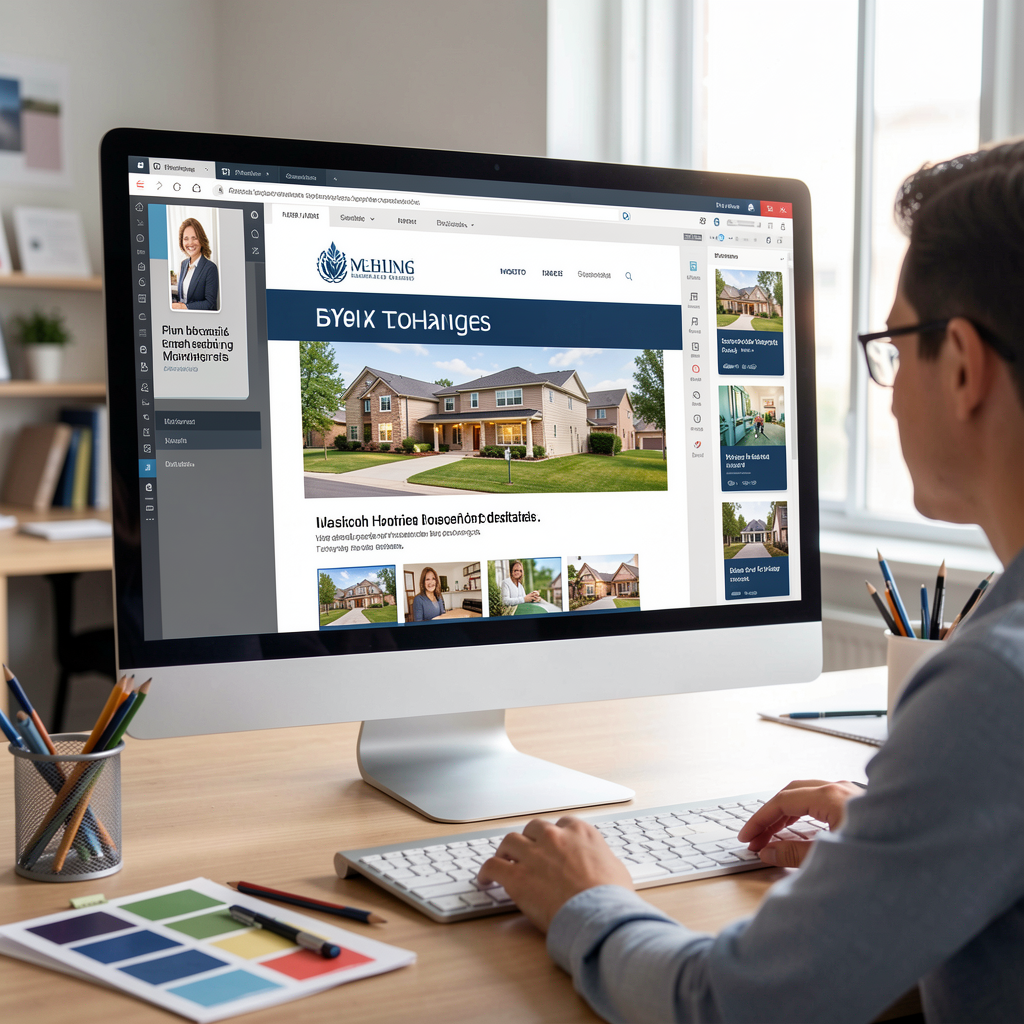
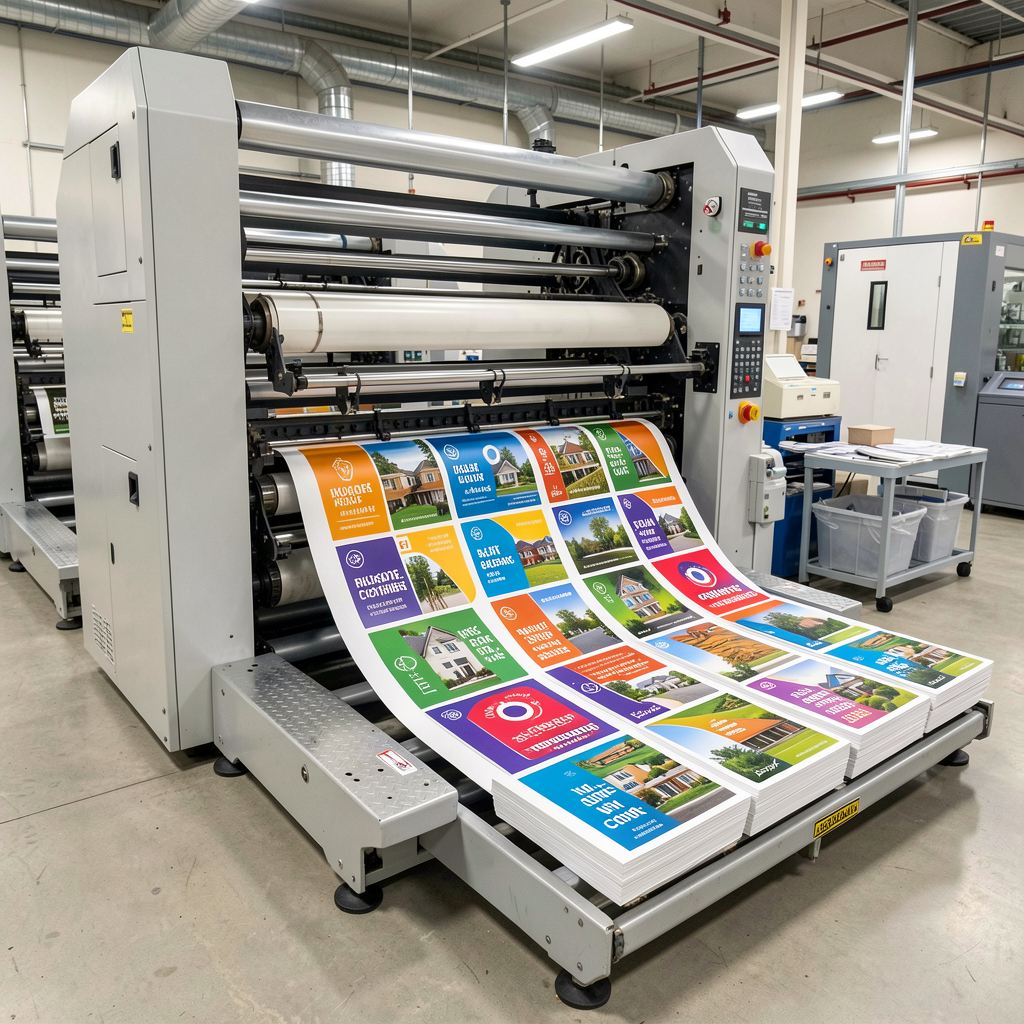
Professional printing gives your campaign consistent color, legible text, and a finished appearance that supports your brand. Choose stock and finishing options suited to the campaign and weather conditions. Always approve the final proof rather than relying on an earlier draft or email description.
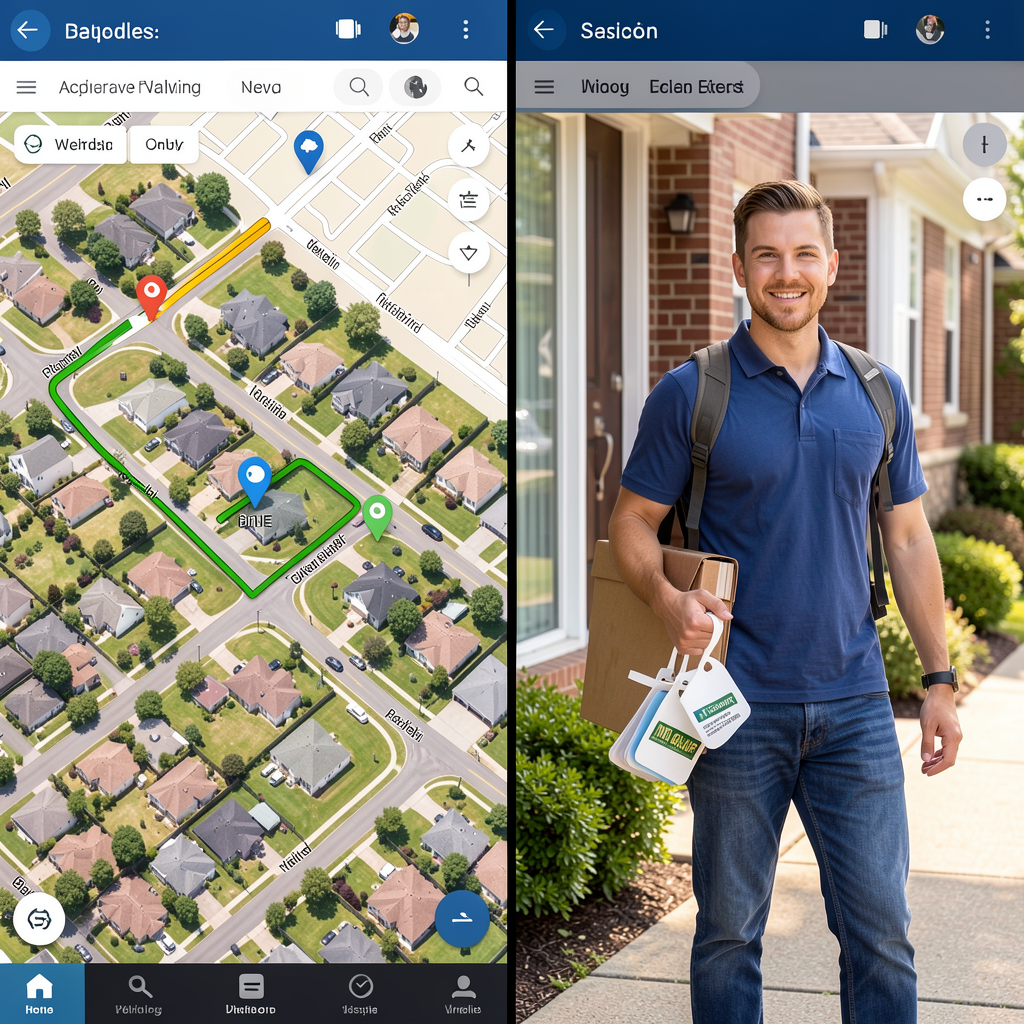
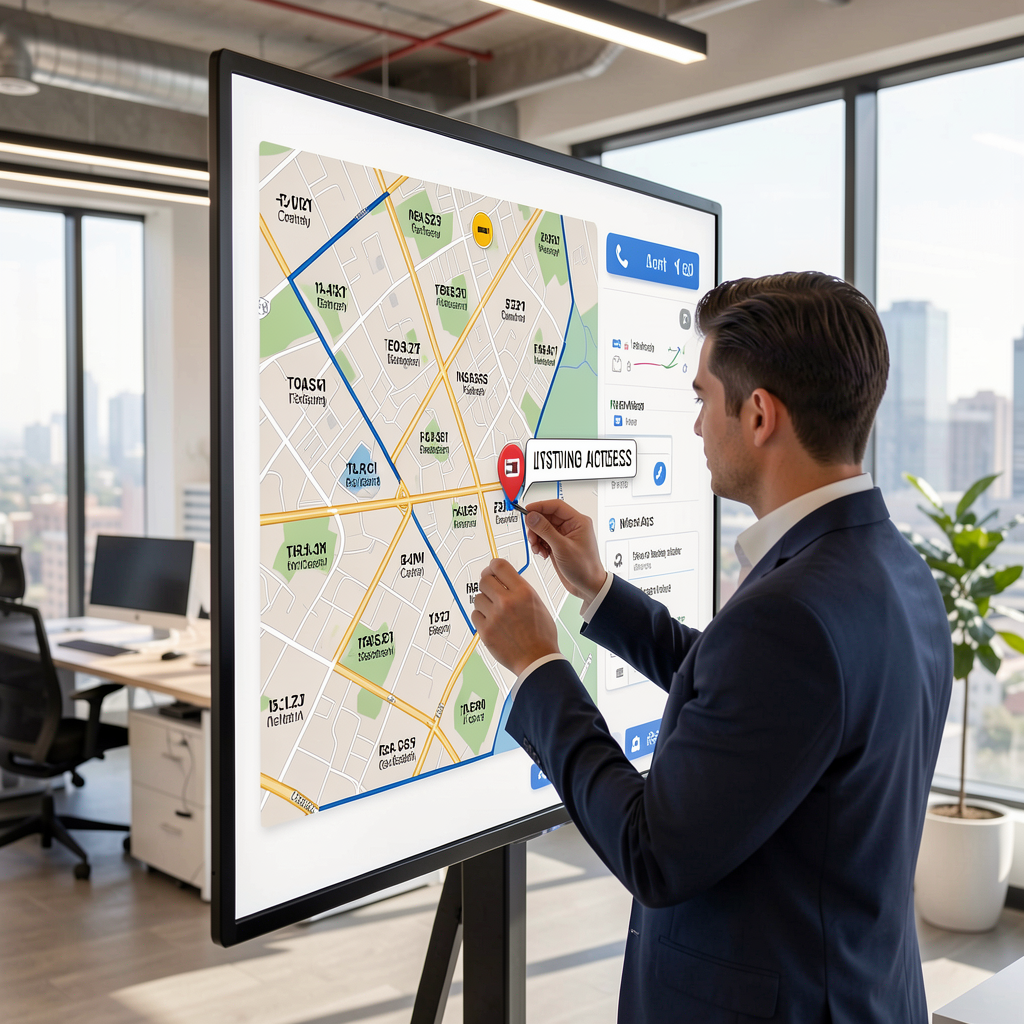
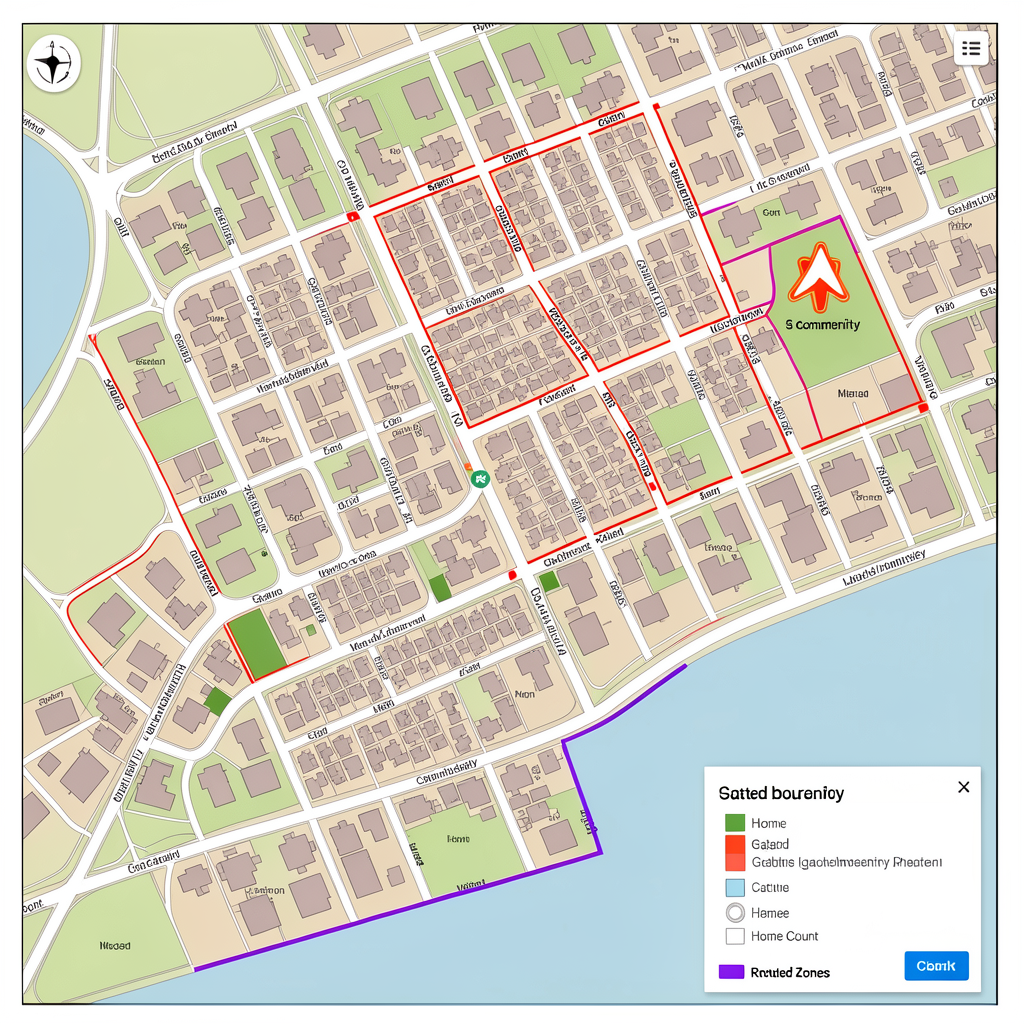
GPS-tracked distribution adds visibility to the delivery process by documenting routes through the selected area. Confirm the campaign map and home count before delivery begins. After completion, review the available tracking and reporting information to understand where the team distributed your materials.
Campaigns for Every Listing Moment
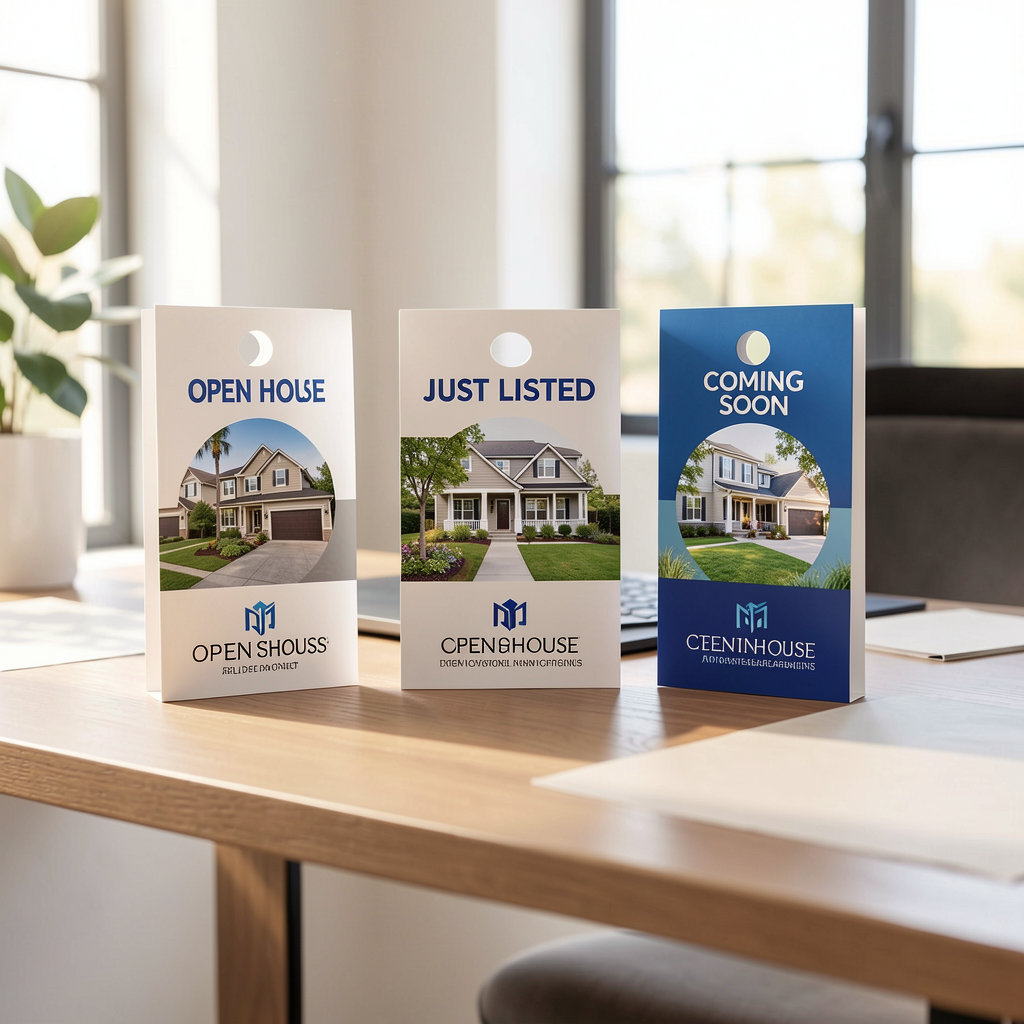
Use Open House, Just Listed, and Coming Soon campaigns to create awareness while buyer interest is most valuable. Feature a strong property image, essential event or listing details, and a direct response method. Schedule distribution early enough for homeowners to notice and act.
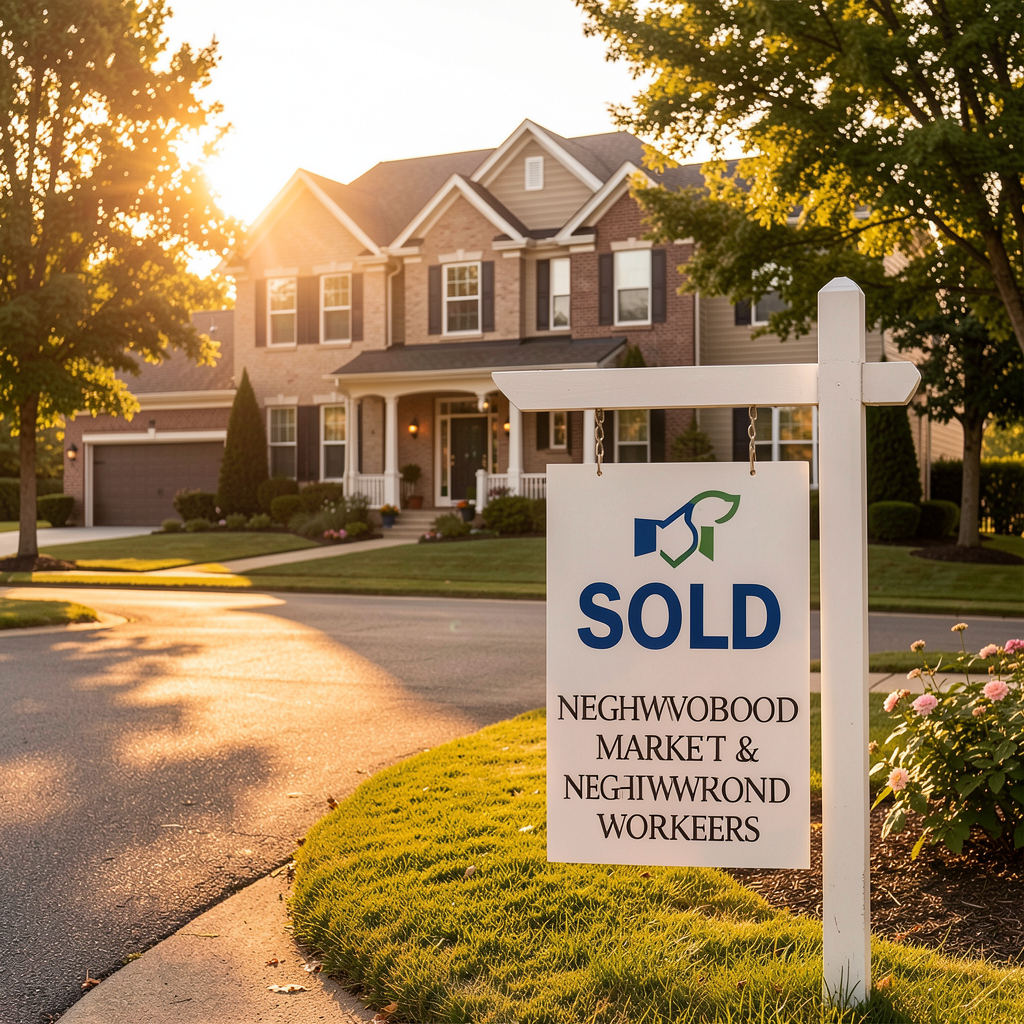
A Just Sold campaign can demonstrate neighborhood activity and open conversations with homeowners considering a move. Share accurate property information and a useful market takeaway without making unsupported claims. Invite recipients to request a personalized pricing discussion or neighborhood sales update.
Home Valuation and CMA campaigns give potential sellers a practical reason to connect. Explain what the homeowner will receive, such as a comparative market analysis or local sales review. Use a dedicated landing page or QR code so responses can be measured and followed up promptly.
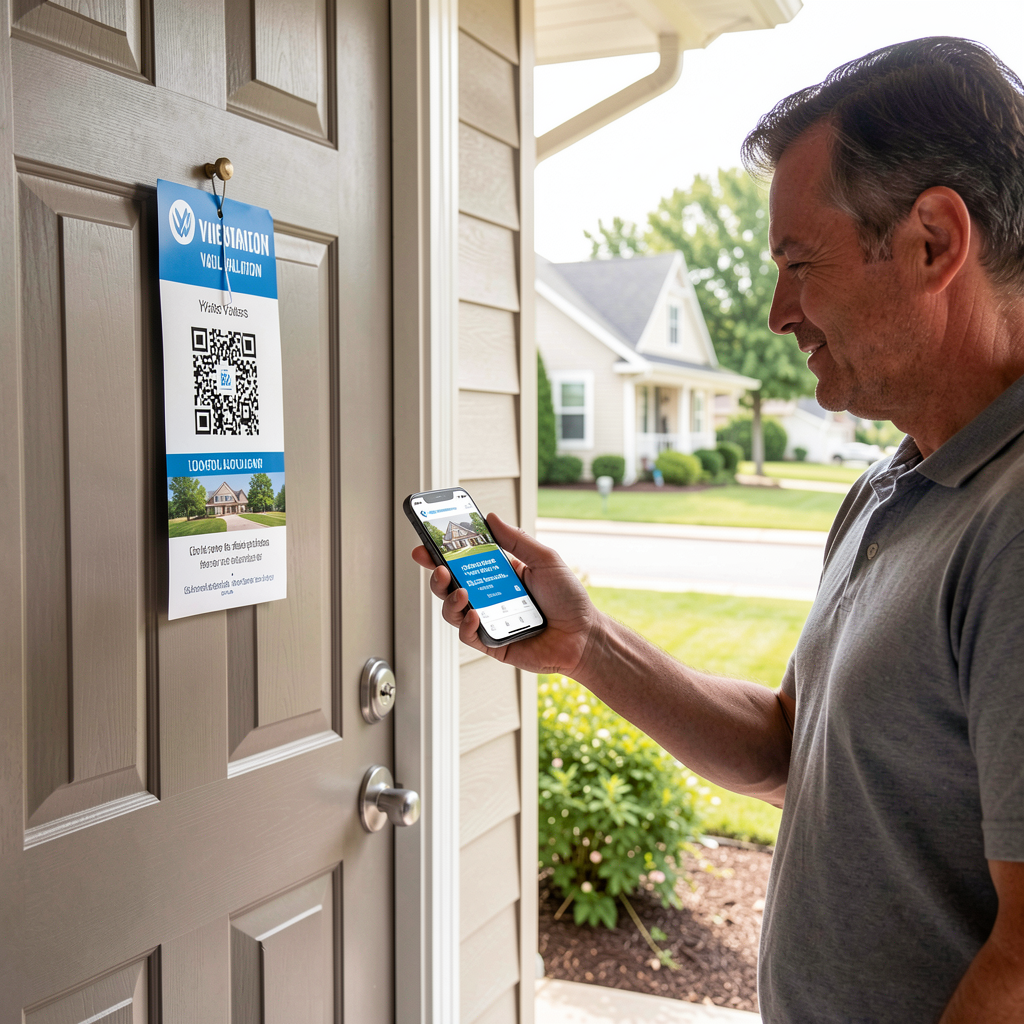
Choose the Right Marketing Format
Choose door hangers when you want a highly visible piece placed directly at selected homes. They work well for concentrated neighborhood farming and time-sensitive listing announcements. Keep the front visually simple, use the reverse for supporting details, and prioritize a single measurable response action.
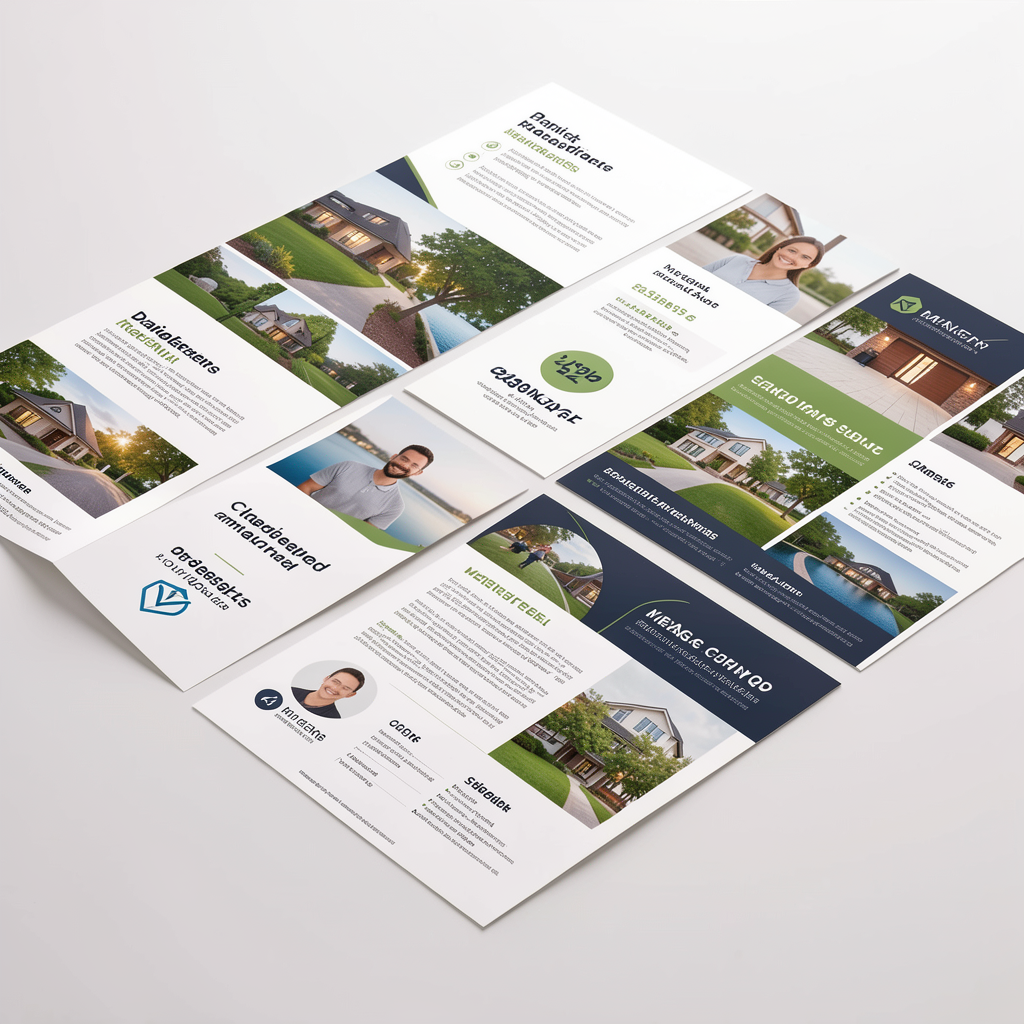
Flyers provide more room for property highlights, testimonials, market information, or multiple images. Use clear headings and short sections to make the content easy to scan. Avoid filling every available space; generous margins and visual hierarchy help important information stand out.
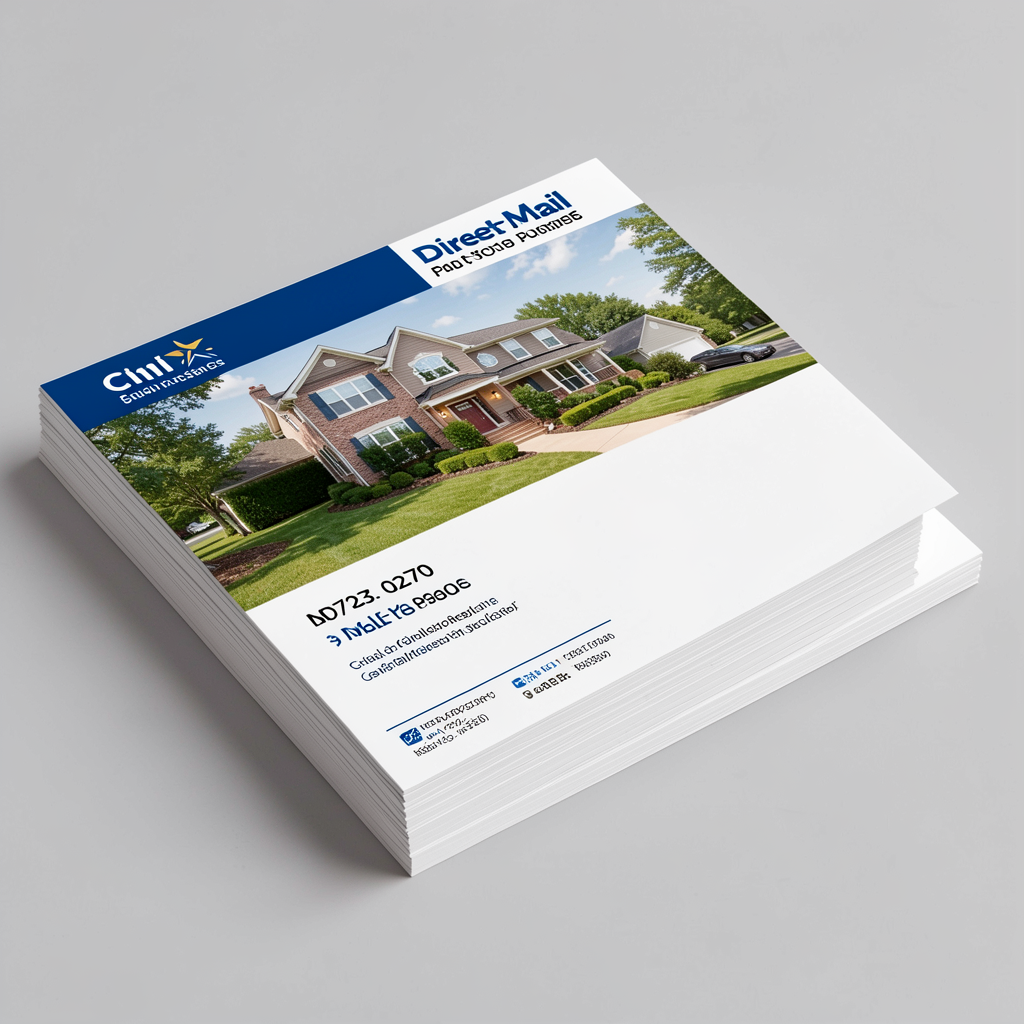
Postcards are useful when direct-mail delivery better suits your audience or campaign plan. Choose a strong front image and reserve the back for the offer, contact details, and mailing requirements. Compare format, distribution method, timeline, and budget before deciding which option fits.
Flexible Services Built Around Your Campaign
Printing-only service is appropriate when your artwork is complete and you plan to manage distribution. Submit print-ready files using the requested dimensions, bleed, color settings, and resolution. Before production, verify that fonts, images, contact details, and legal disclosures appear correctly on the final proof.
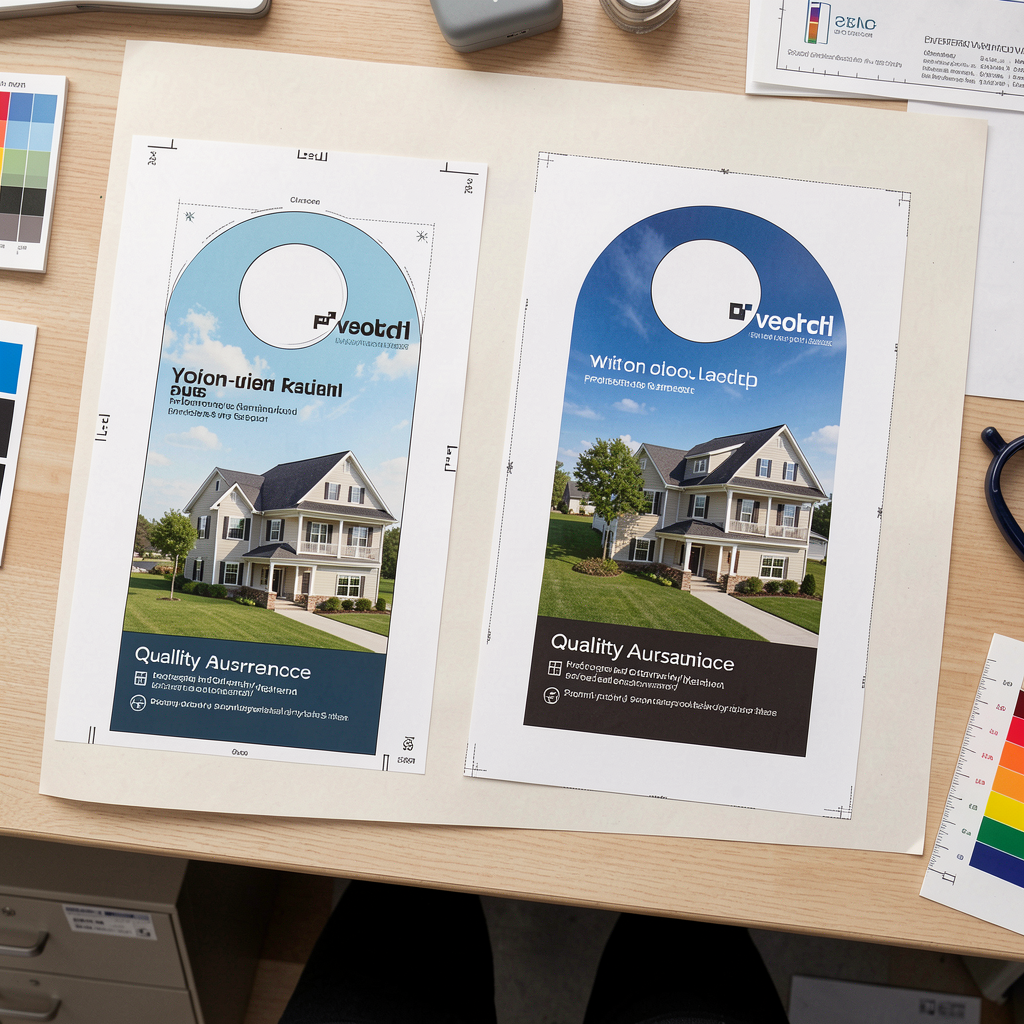
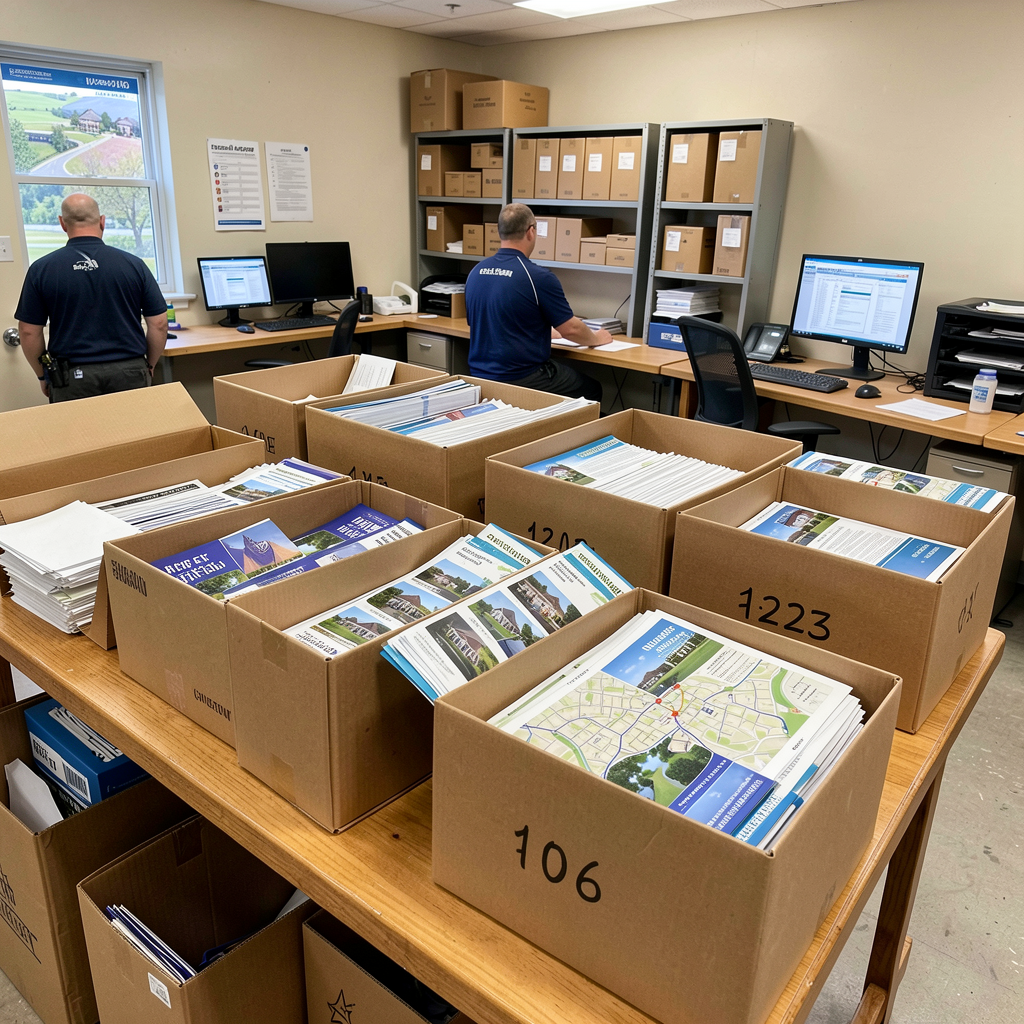
Choose distribution-only service when printed materials are already prepared. Confirm the piece size, total quantity, delivery deadline, pickup or drop-off arrangements, and target map. Count and package materials clearly to reduce delays, and ask which tracking or verification options apply to your campaign.
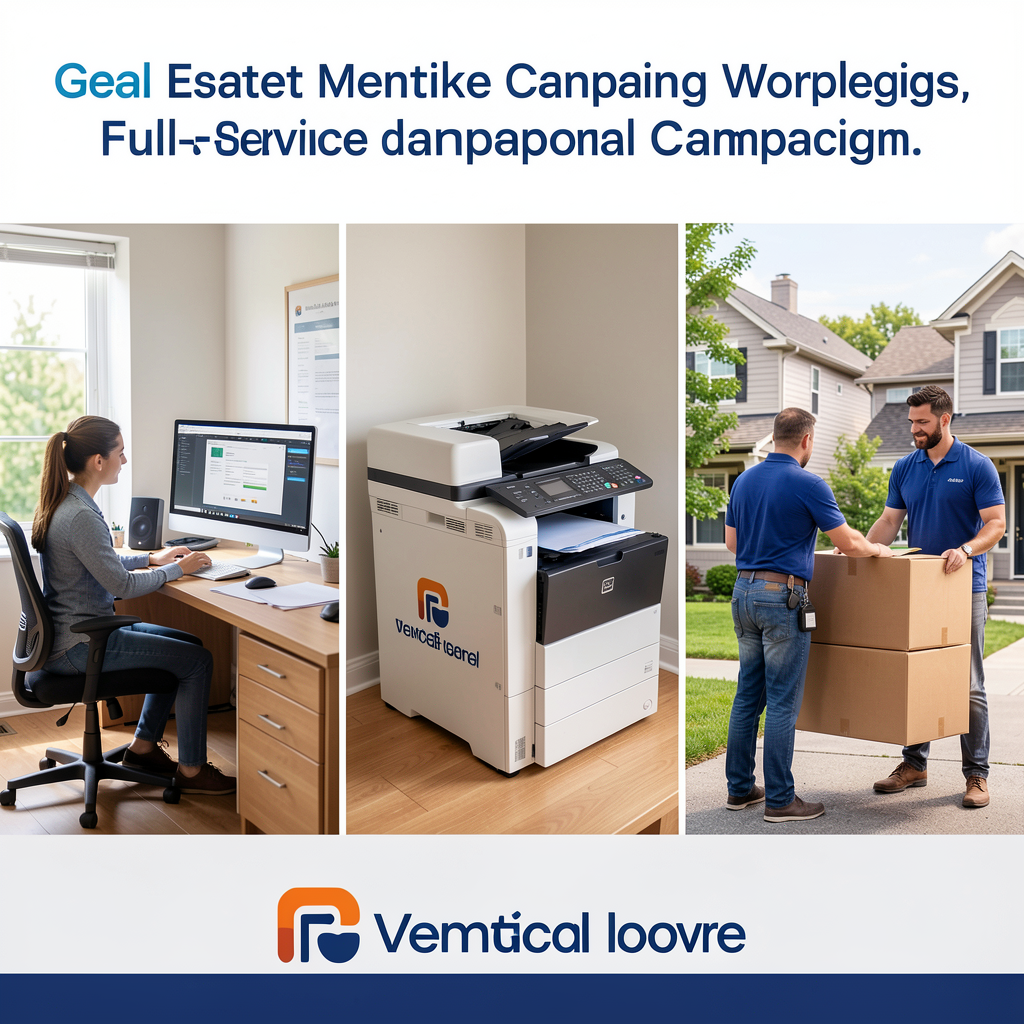
The complete service combines design, printing, and delivery under one coordinated workflow. This option reduces handoffs and helps keep branding, production, and distribution aligned. Provide campaign details once, approve the proof and coverage area, then review available completion reporting after delivery.
Scale Campaigns to Your Neighborhood
A 100-home campaign can help test a message within a compact area before expanding. Select homes that closely match your target market, use a dedicated QR code or phone extension, and record inquiries. Avoid judging performance without a clear offer and consistent follow-up process.
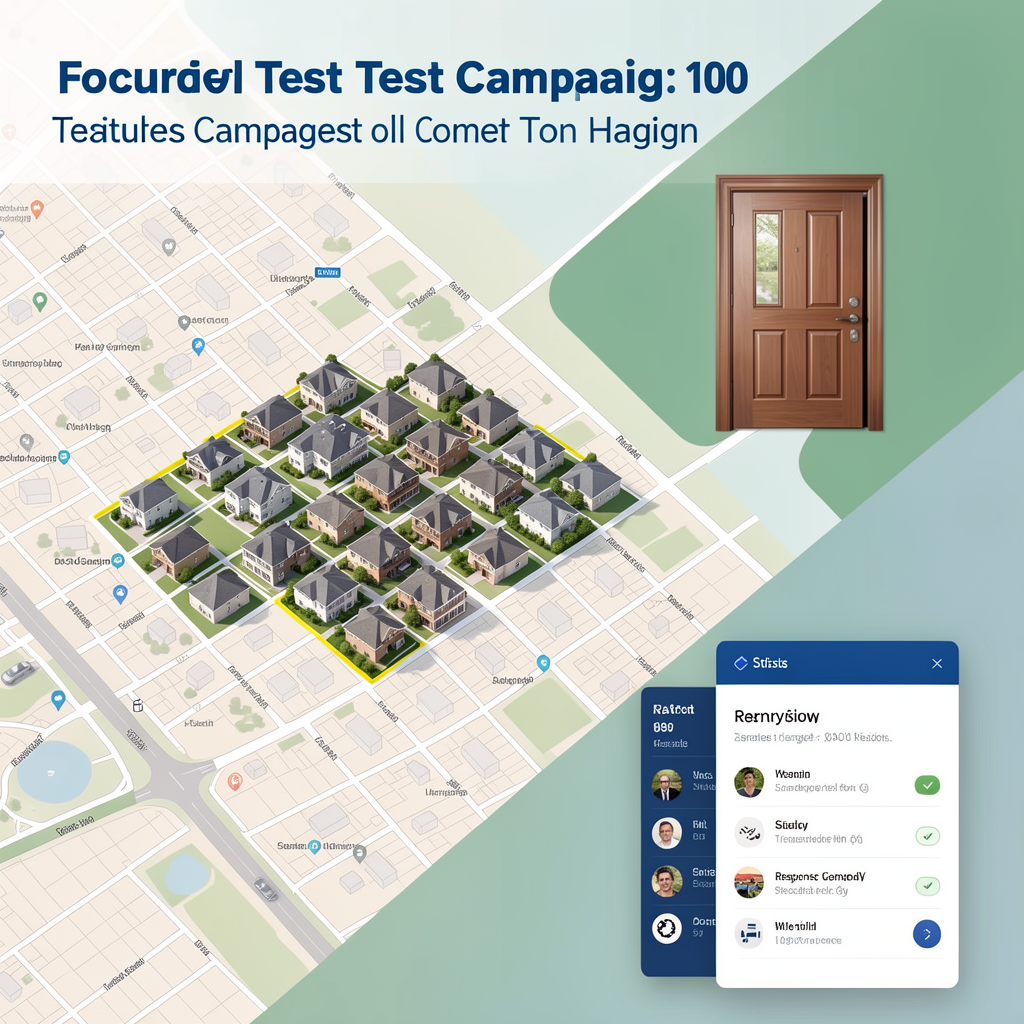
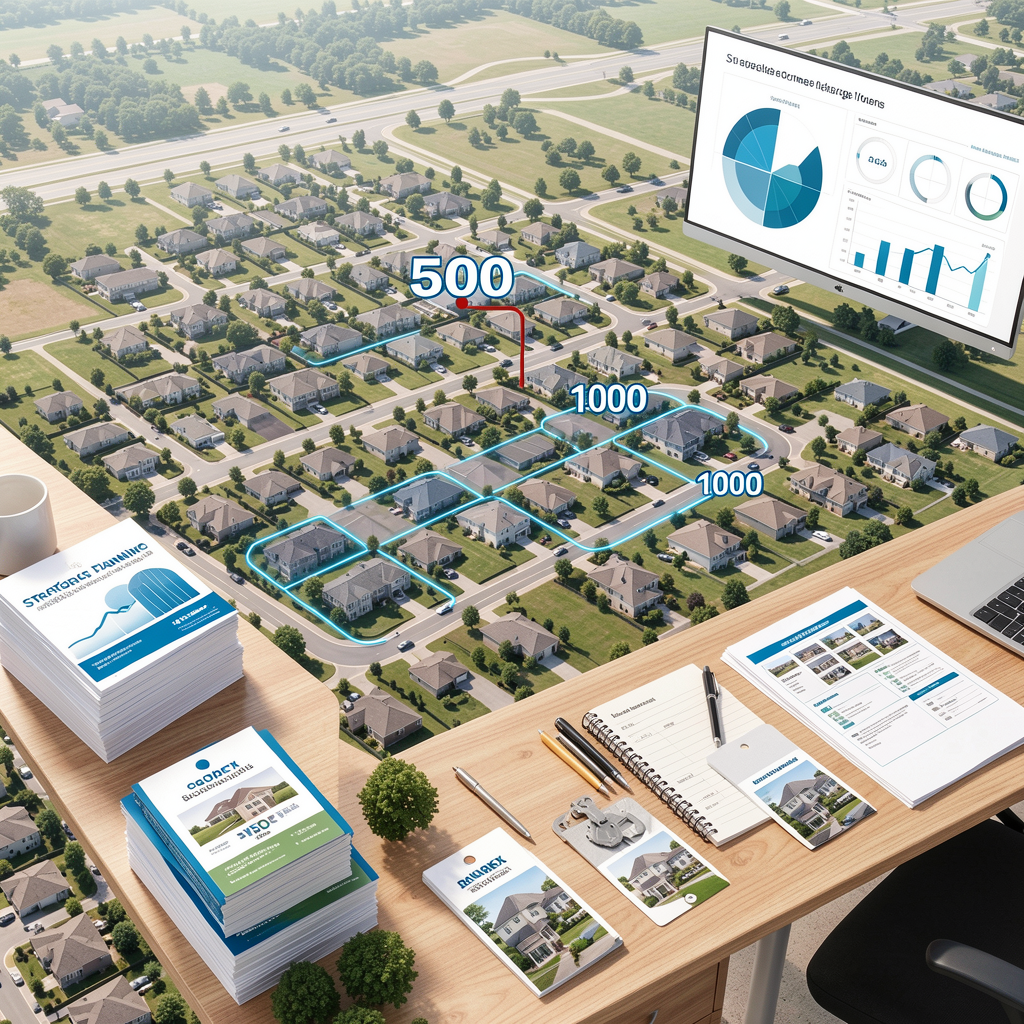
Campaigns covering 500 or 1,000 homes can create broader neighborhood visibility while remaining geographically focused. Divide the area into logical streets or subdivisions and repeat the campaign on a planned schedule. Consistency usually supports recognition better than unrelated designs delivered without a follow-up strategy.
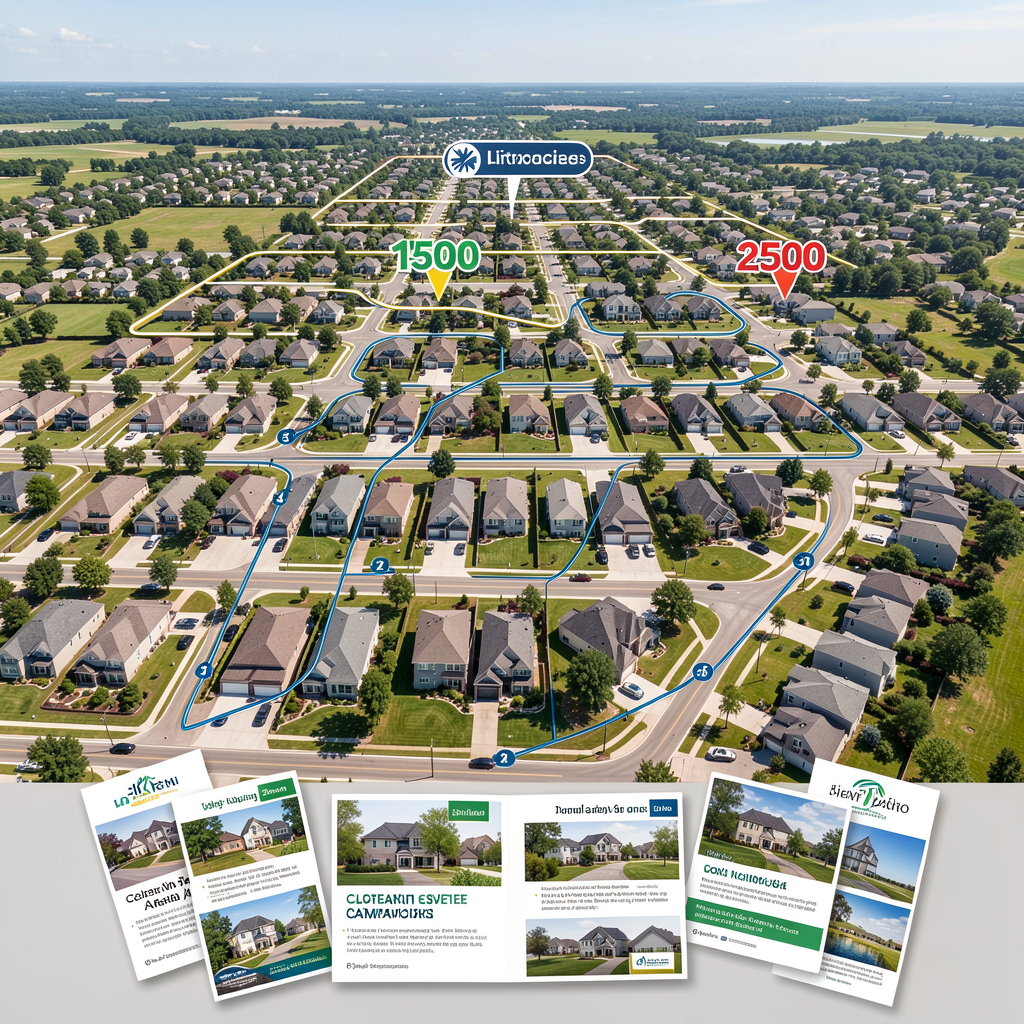
Larger 1,500- or 2,500-home campaigns support wider market coverage for brand building, listings, or valuation outreach. Segment the route when neighborhoods differ, and adjust messaging where appropriate. Confirm quantities and boundaries carefully so printing volume and distribution plans remain aligned.
Transparent Delivery You Can Verify
Live GPS tracking provides real-time visibility into active distribution routes when included with the campaign. Use it to observe progress and compare delivery activity with the approved coverage area. Remember that location data supports route transparency but should be reviewed alongside the final campaign report.

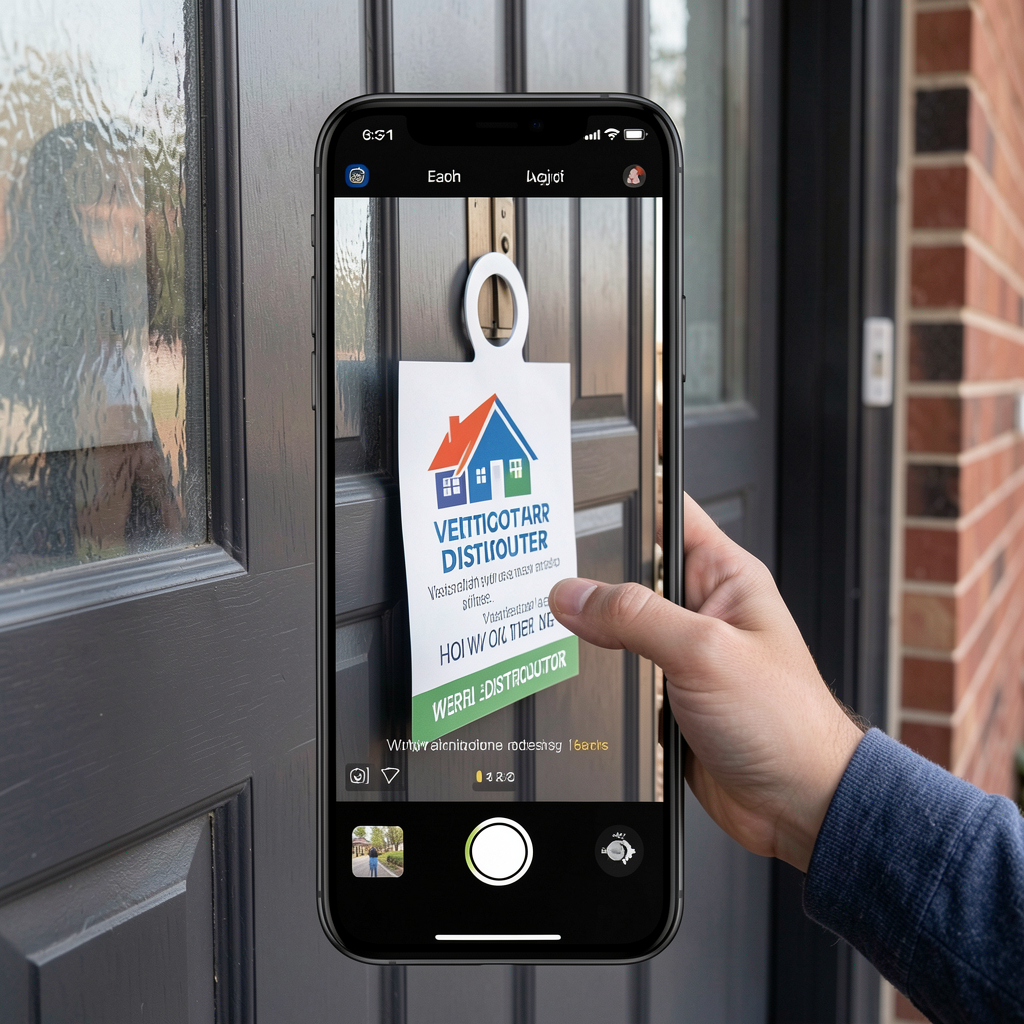
Optional photo verification can provide additional documentation from the field. Discuss the frequency, image type, privacy practices, and availability before scheduling. Use photos as supporting evidence of delivery activity rather than expecting an image of every individual home unless that scope is specifically confirmed.
Delivery reporting helps summarize completed coverage and available route records after the campaign. Compare the report with your approved map, note any inaccessible areas, and save documentation with campaign results. Pair delivery data with calls, scans, and web inquiries to evaluate response more meaningfully.
See Real Campaigns in Action
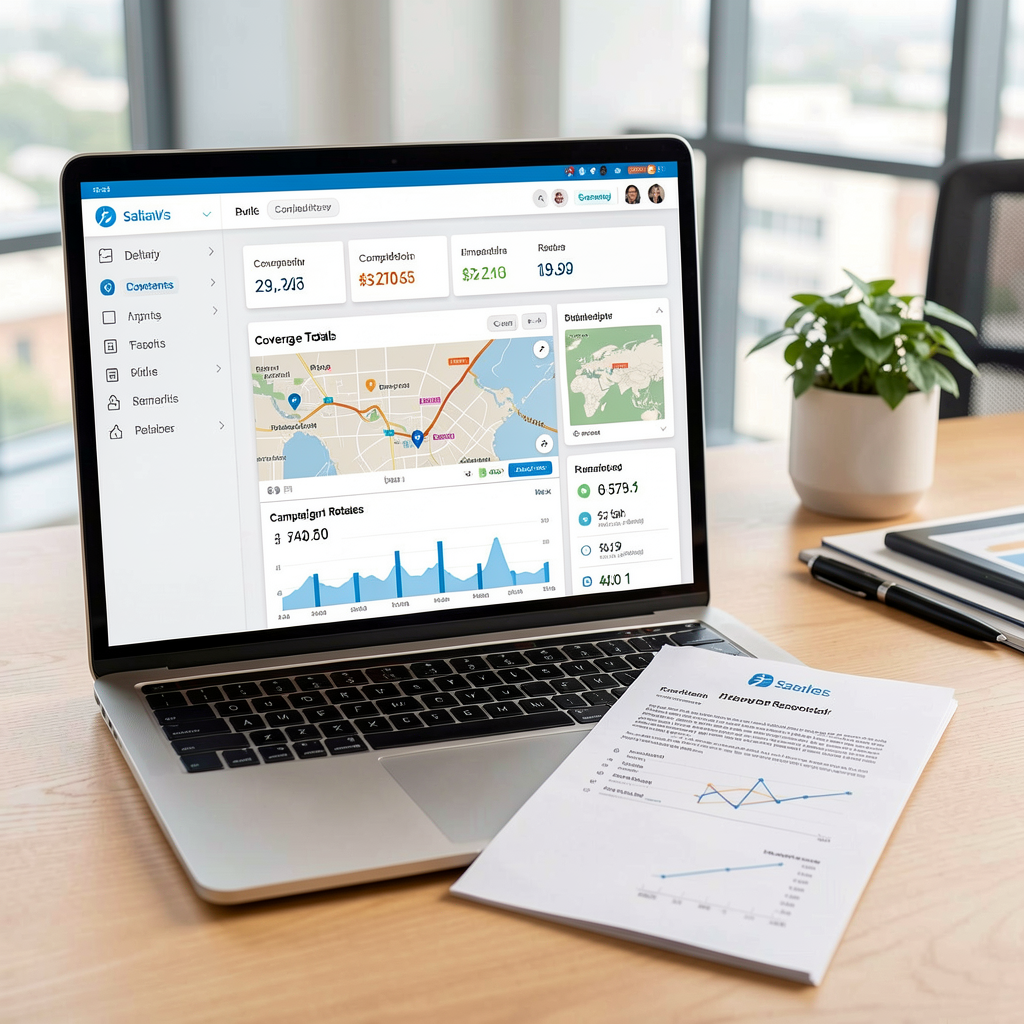
Review door hanger examples to evaluate layout, headline clarity, image quality, branding, and calls to action. Save references that match your objective, but customize the final piece for your property and audience. Copying too many elements from different samples can create a cluttered design.
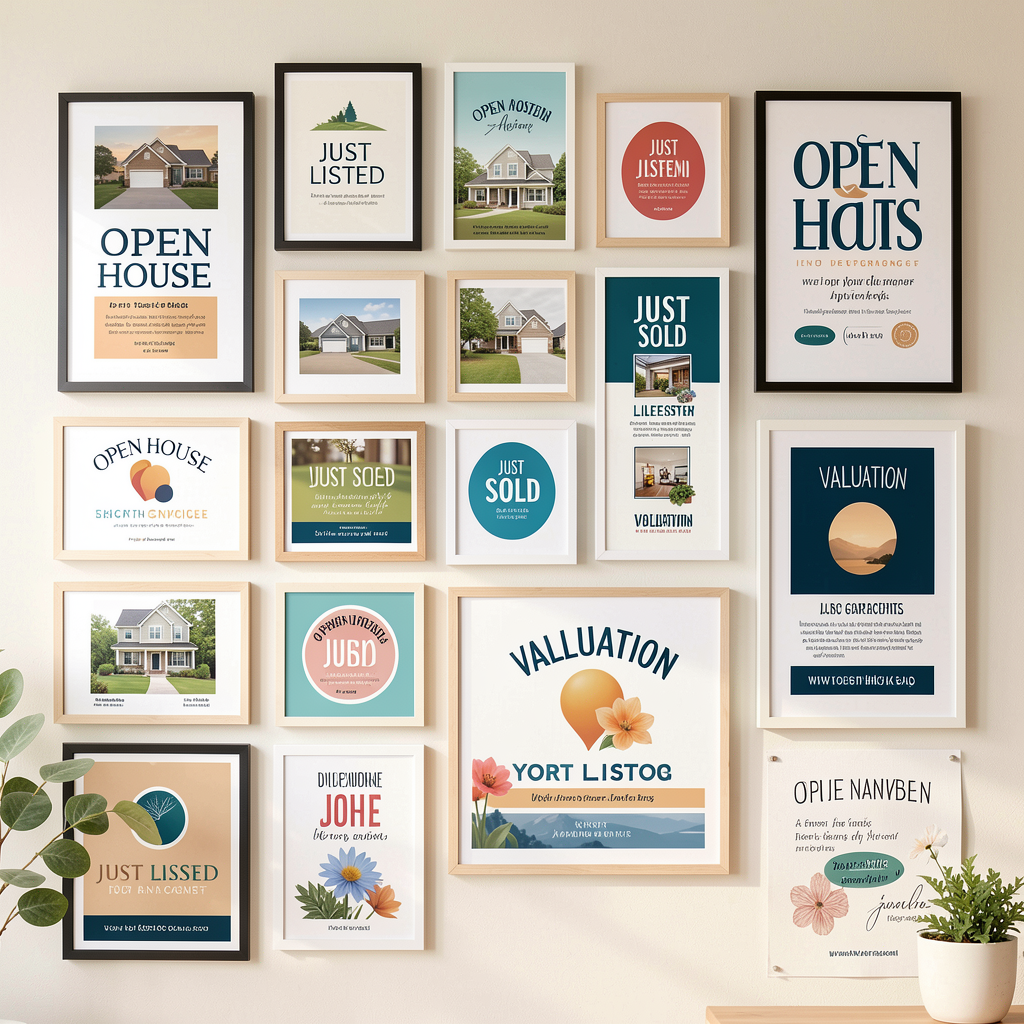

Look closely at actual printed samples to understand color, finish, text size, image sharpness, and overall presentation. Digital mockups may not communicate every physical detail. When reviewing examples, focus on readability and practical function instead of selecting a design based only on decoration.
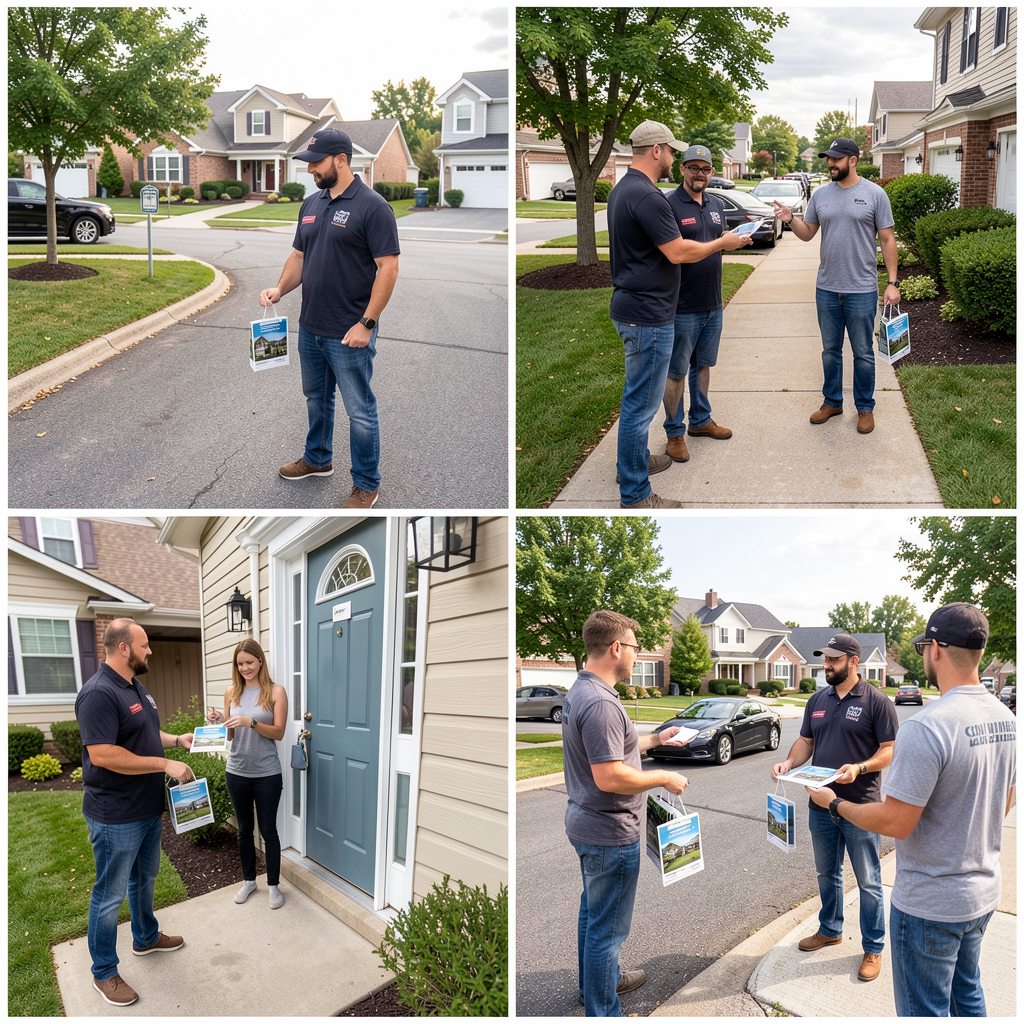
Actual distribution photos show how marketing pieces appear in neighborhood settings and help establish realistic expectations. Notice placement, visibility, and material handling. Use these references to discuss special instructions before delivery while recognizing that property access and local conditions may affect placement.
Three Steps to Local Visibility
Begin with a listing address, neighborhood, subdivision, or custom coverage map. Define the campaign objective and preferred home count, then verify boundaries before production. A focused area helps align the message with local homeowners and prevents printing more pieces than the planned route requires.
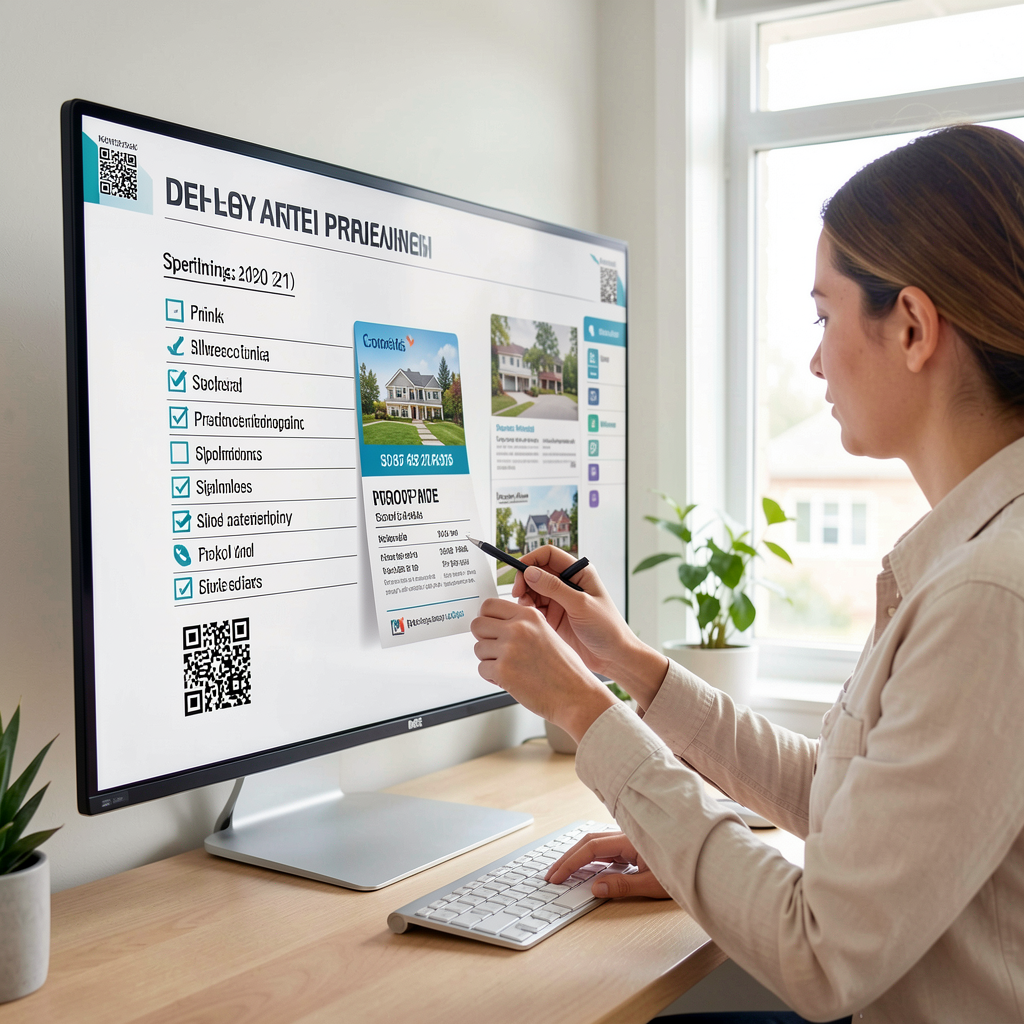
Review the proof for spelling, property facts, dates, prices, contact details, QR codes, branding, and required disclosures. Request changes before approval and keep the final version for your records. Production should begin only after you are confident that every campaign detail is accurate.
Once artwork, quantity, and coverage are approved, the campaign moves into printing and scheduled distribution. Confirm timing around open houses or listing milestones. Afterward, review delivery information and monitor calls, QR scans, form submissions, and appointments connected with the campaign.
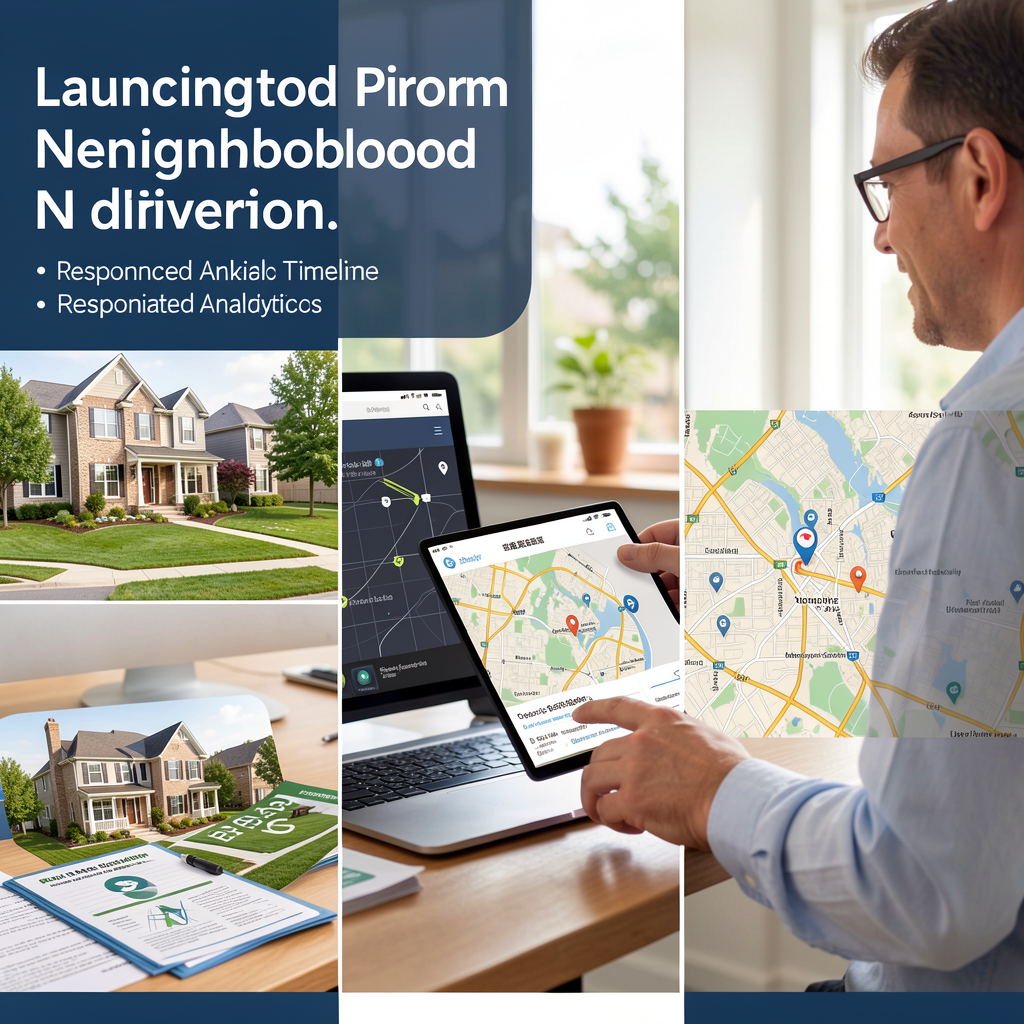
Reach Homeowners Across Greater Sacramento
Build campaigns around selected Sacramento neighborhoods, nearby listings, or geographic farming areas. Provide precise streets or map boundaries because city names alone may cover areas that are too broad. Neighborhood-specific property imagery and market language can make the message more useful to recipients.
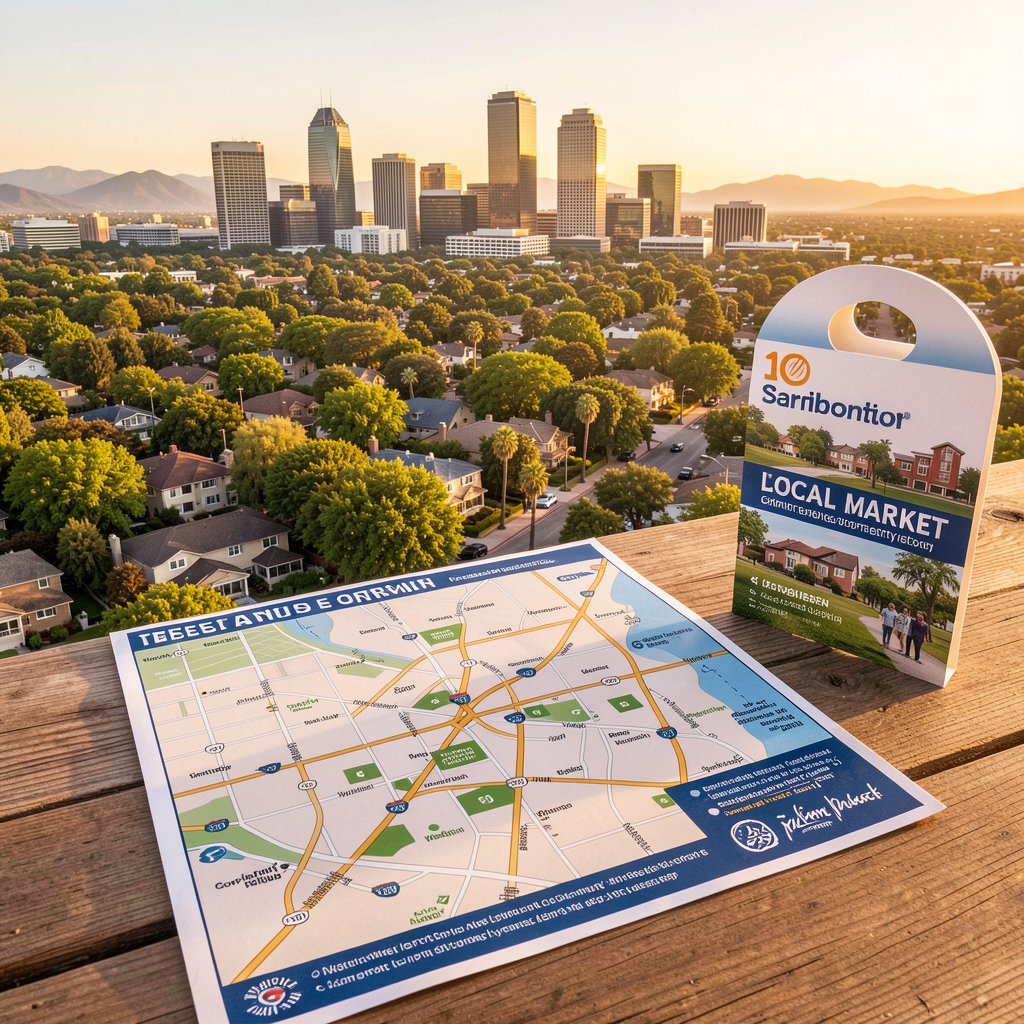
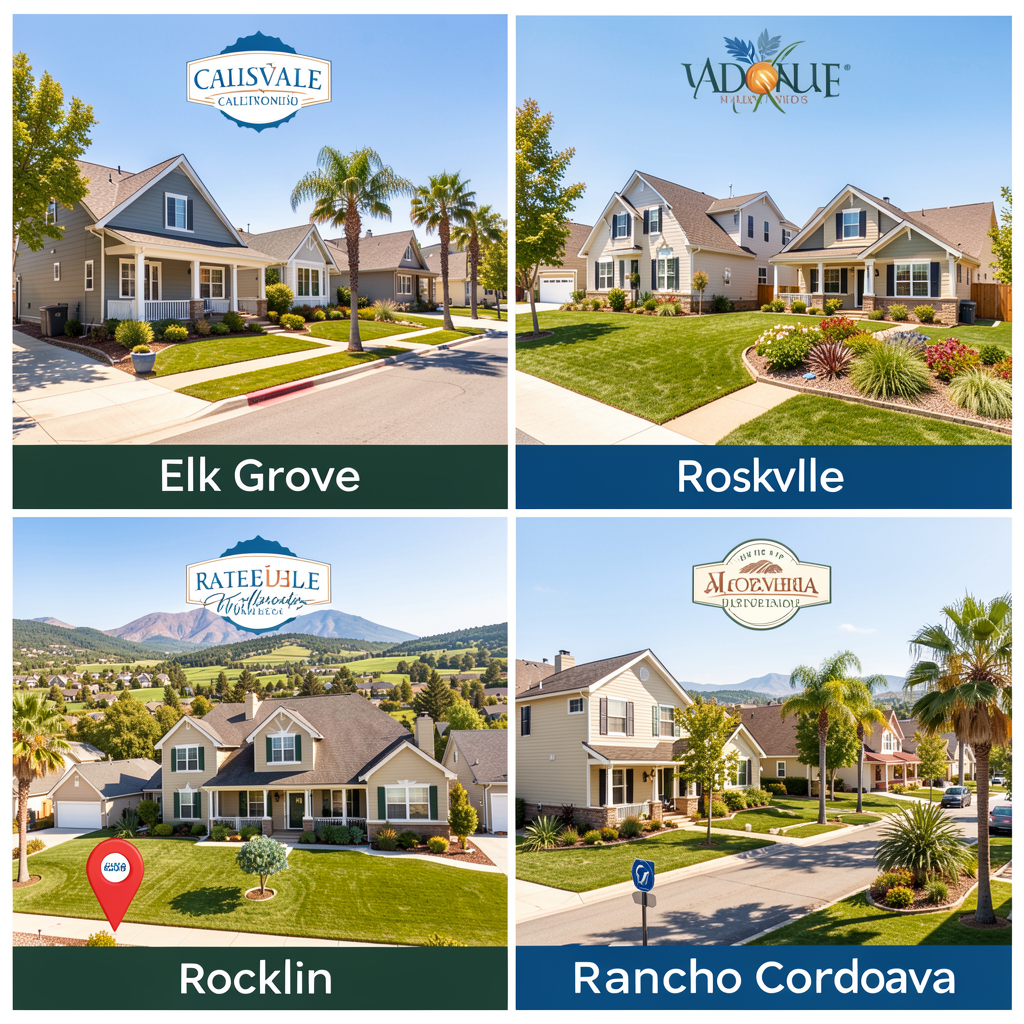
Reach homeowners in Elk Grove, Roseville, Rocklin, and Rancho Cordova with campaigns tailored to each local market. Avoid using identical neighborhood claims everywhere. Confirm the delivery boundary, home count, schedule, and message so each campaign reflects the selected community and objective.
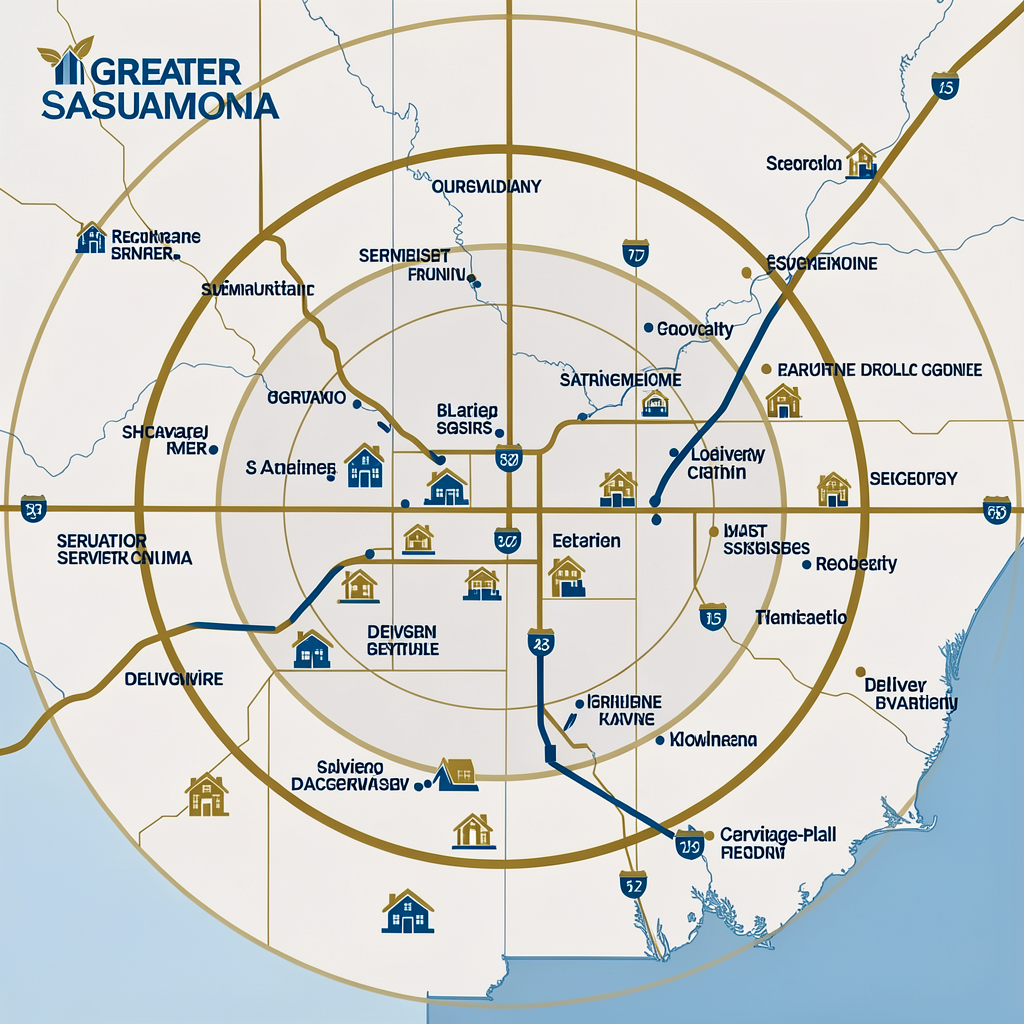
Service may extend to additional communities around the Sacramento region depending on location, campaign size, and scheduling. Submit the target address or map when requesting a quote. Early confirmation helps determine route feasibility, available services, quantities, and any location-specific considerations before design or printing begins.
Answers for Smarter Campaign Planning
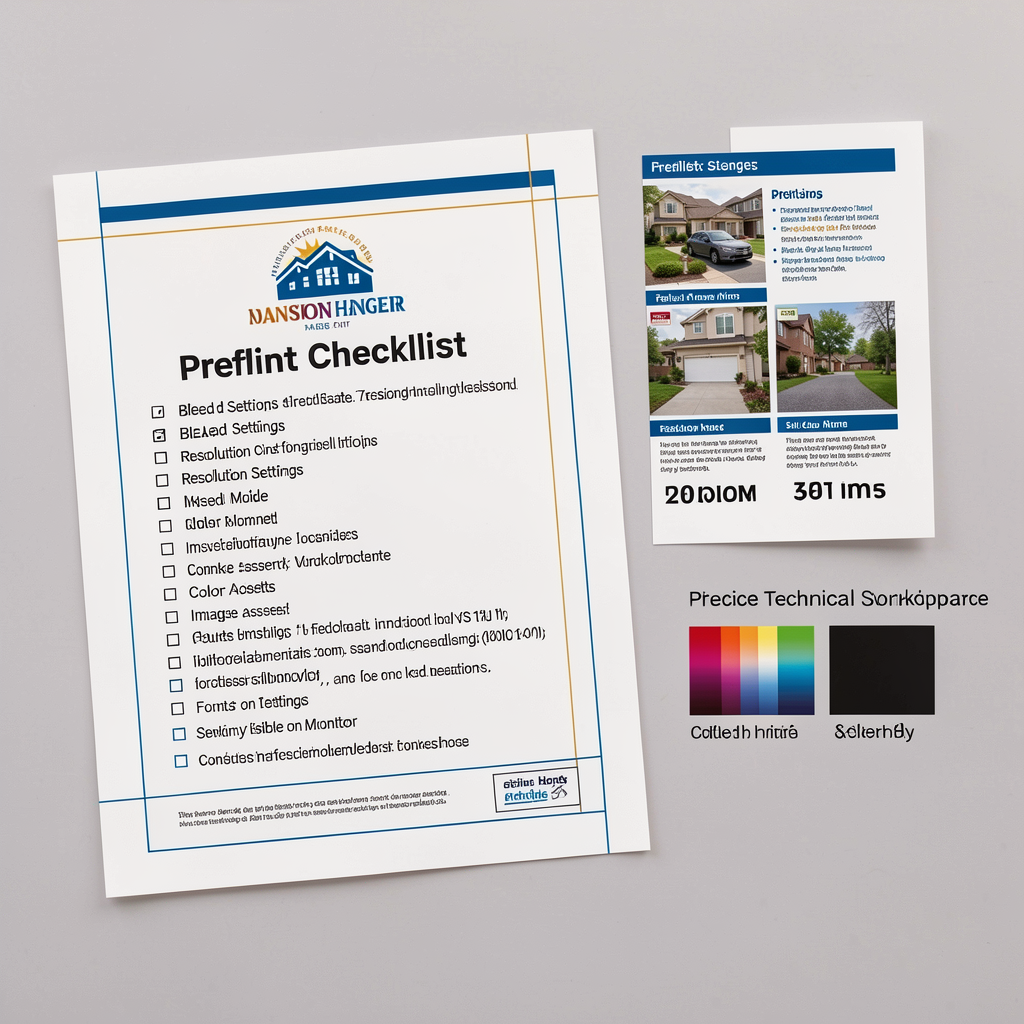
Print requirements depend on the selected product, so confirm dimensions, bleed, resolution, and accepted file type before submission. Use high-resolution images and keep important content away from trim or cut areas. If design assistance is included, provide original brand assets rather than screenshots.
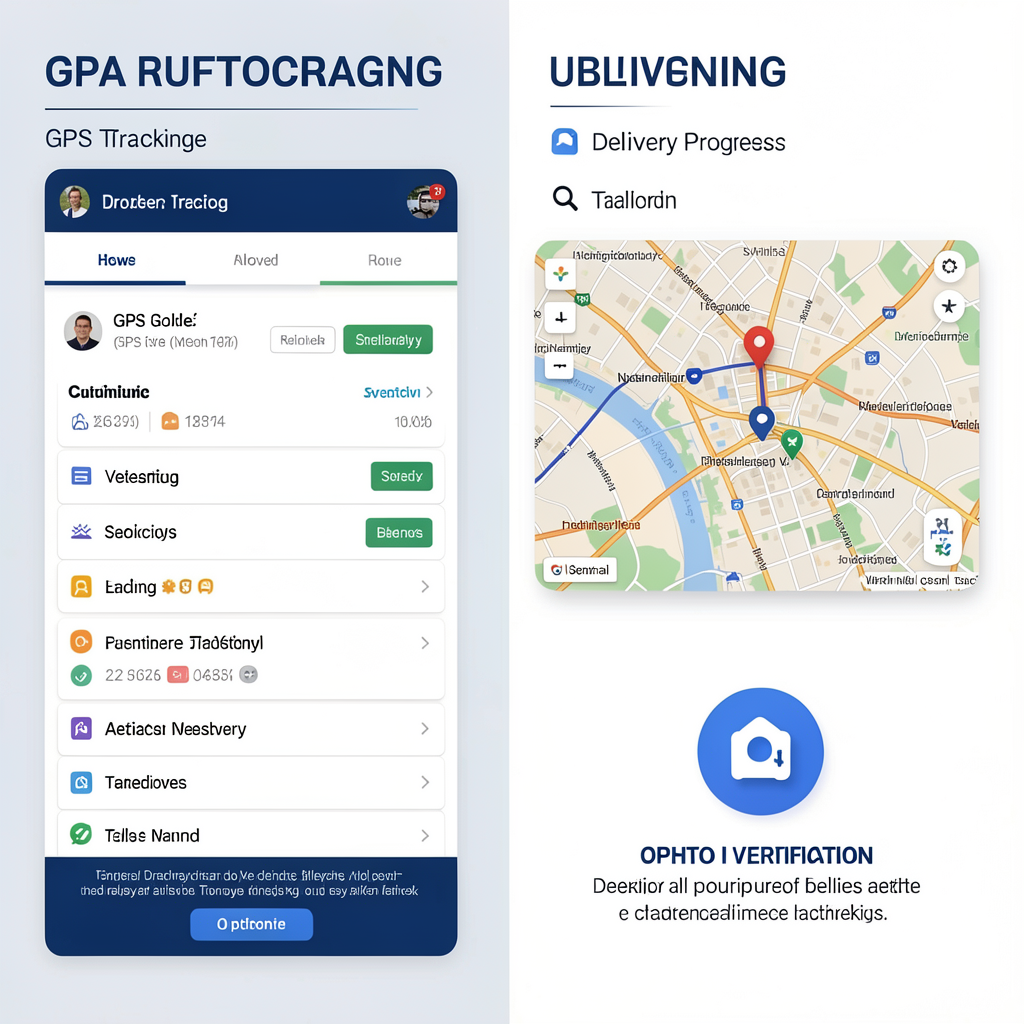
GPS tracking records route activity during distribution and helps document geographic coverage. Ask when tracking becomes available, what the dashboard displays, and how long reports remain accessible. If photo verification is important, request it in advance because it may be optional rather than automatic.
Coverage is based on approved geographic boundaries and the planned number of homes, not simply a city name or ZIP code. Share excluded streets, gated areas, or preferred subdivisions before scheduling. Confirm how inaccessible properties and leftover materials will be handled within the selected service.
Your Next Listing Starts Nearby
Choose a neighborhood where you already have a listing, recent sale, buyer activity, or strong local knowledge. Create one relevant offer and send homeowners to a dedicated response channel. A focused first campaign gives you clearer information than spreading a generic message across unrelated areas.
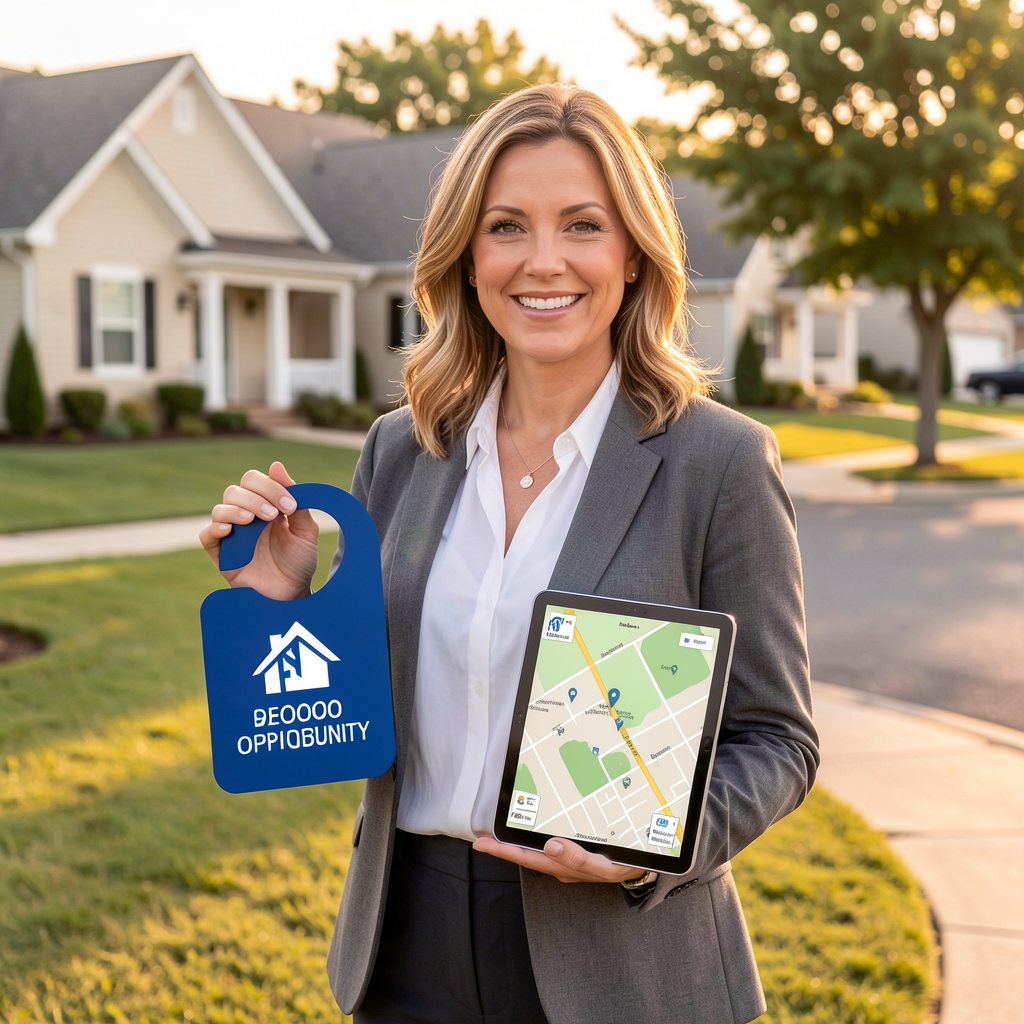
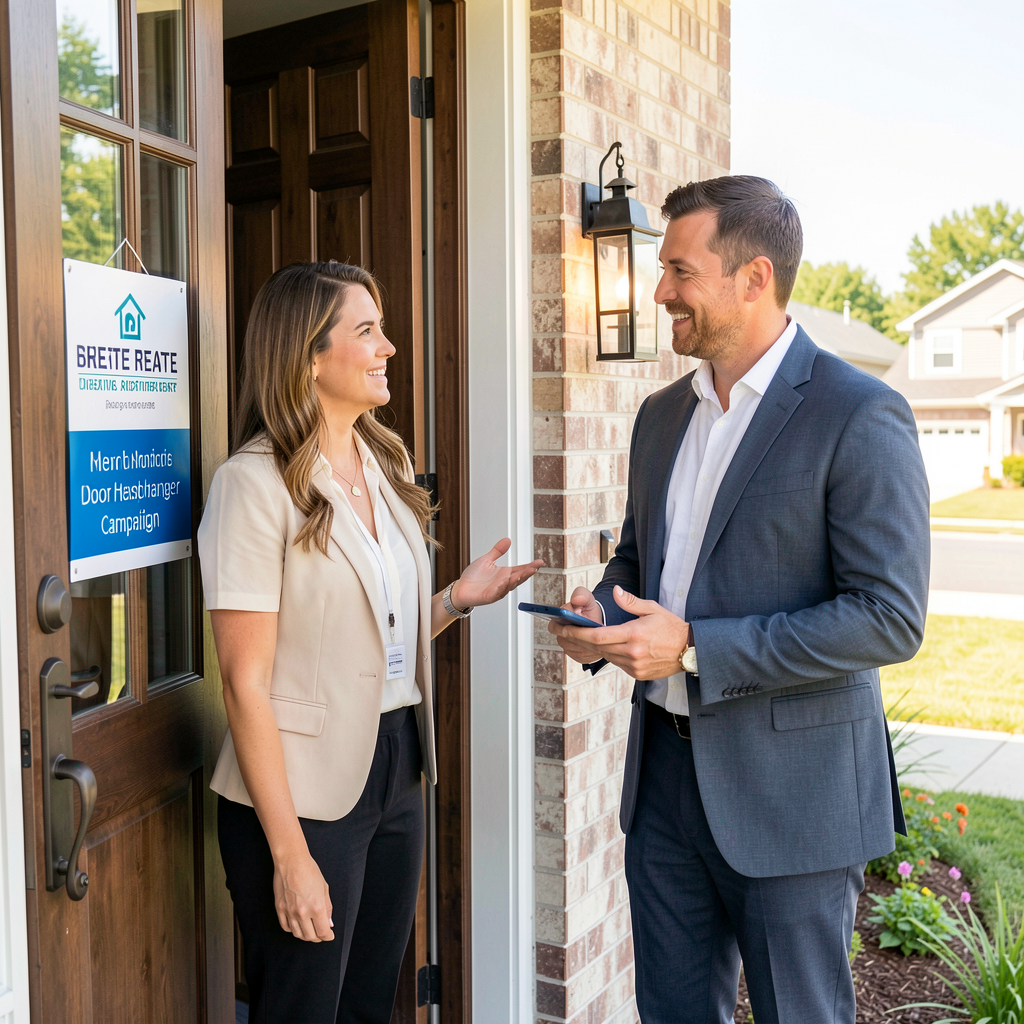
Door hangers work best when the message invites a specific conversation. Offer a home valuation, neighborhood sales update, open house visit, or listing consultation, then respond quickly. Prepare a short follow-up script so calls and online inquiries receive a consistent, helpful experience.
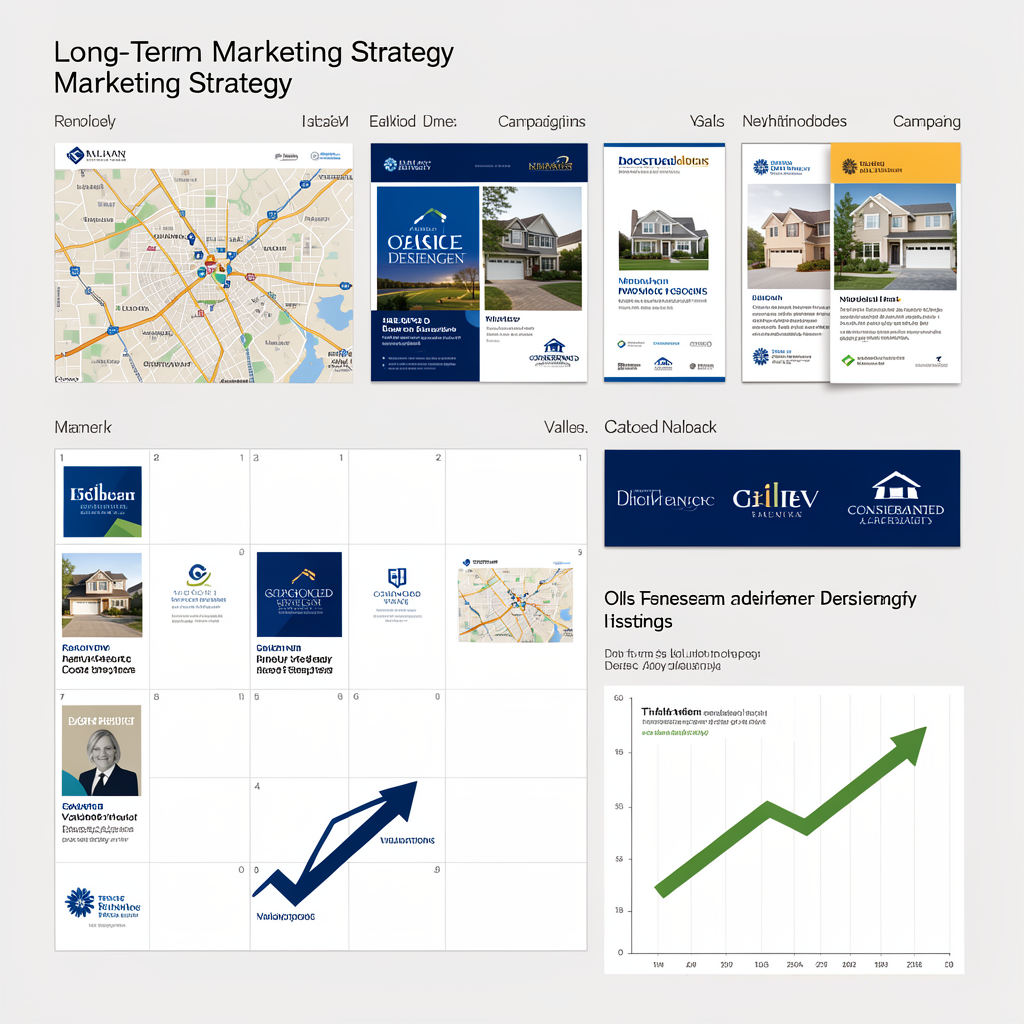
Plan a series of coordinated campaigns rather than treating every delivery as an isolated event. Keep core branding consistent while rotating timely messages such as listings, sales, market updates, and valuations. Track each campaign separately to identify which areas and offers generate meaningful engagement.
Launch Your Campaign With a Quote
Include your preferred product, quantity, target neighborhood, desired delivery date, and required services in the quote request. Add the listing address and campaign type when relevant. Complete information helps clarify scope and reduces follow-up before design, printing, or distribution can be scheduled.
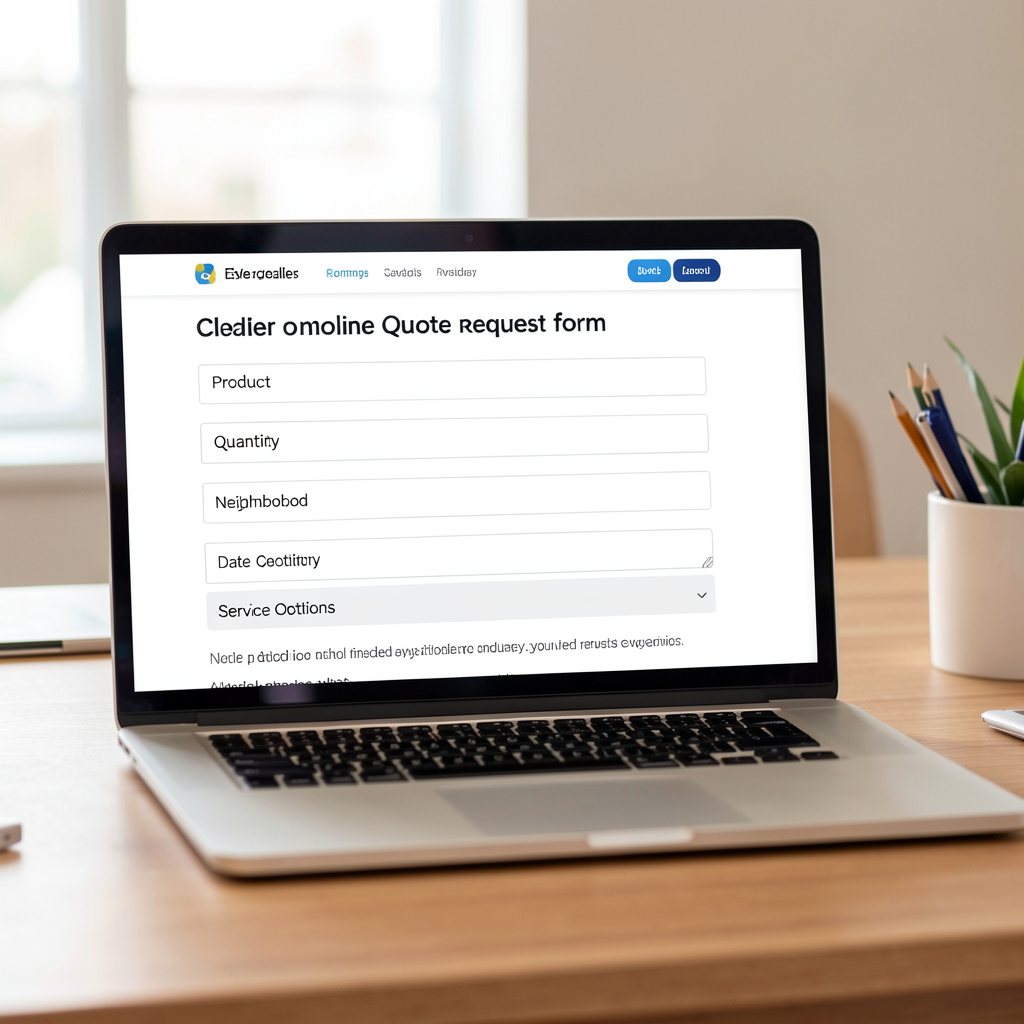
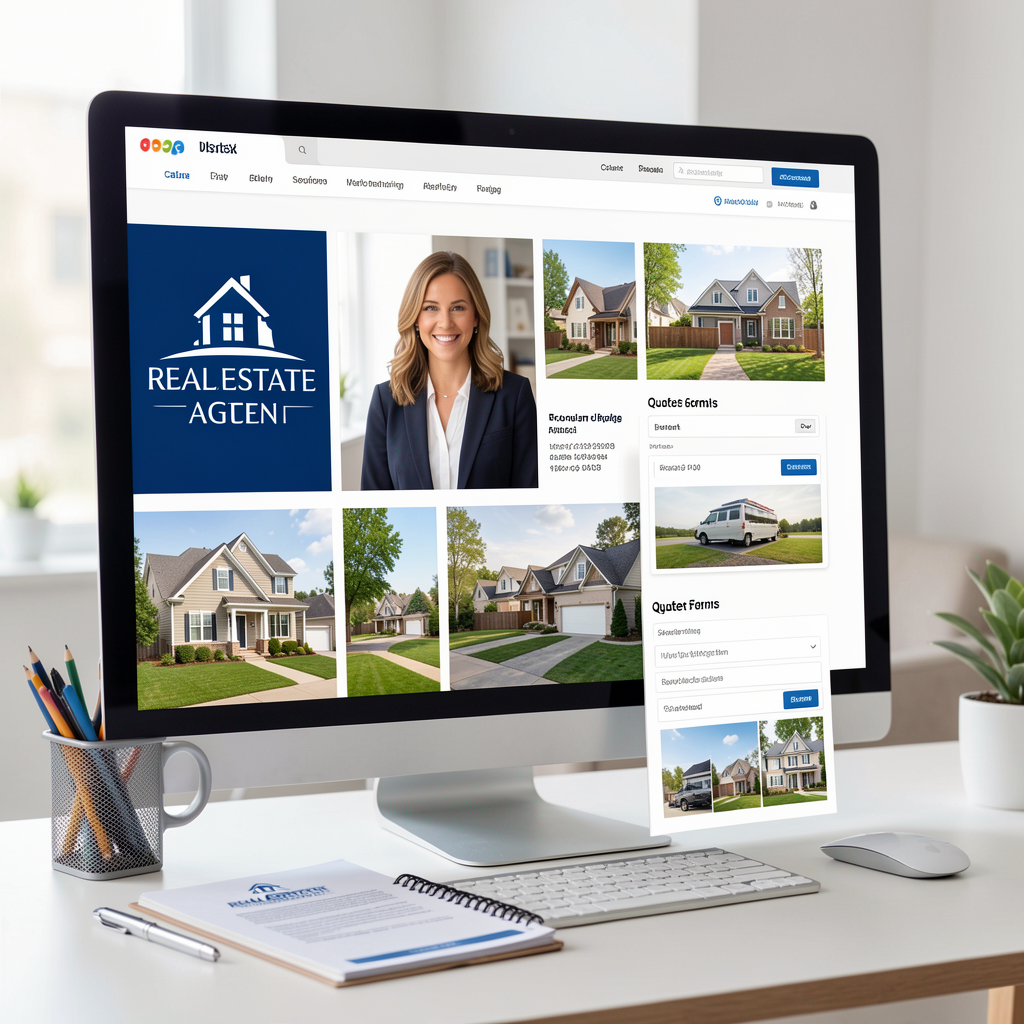
Prepare your logo, headshot, contact details, property photos, brokerage information, and any required disclosures. High-resolution original files produce better results than images copied from websites. If assets are unavailable, mention that in the request so the design process can be planned appropriately.
State your ideal in-home date, especially for open houses, Coming Soon announcements, or other time-sensitive campaigns. Allow time for design revisions, proof approval, printing, and distribution. After submitting, watch for questions about coverage, quantity, artwork, scheduling, and verification preferences.